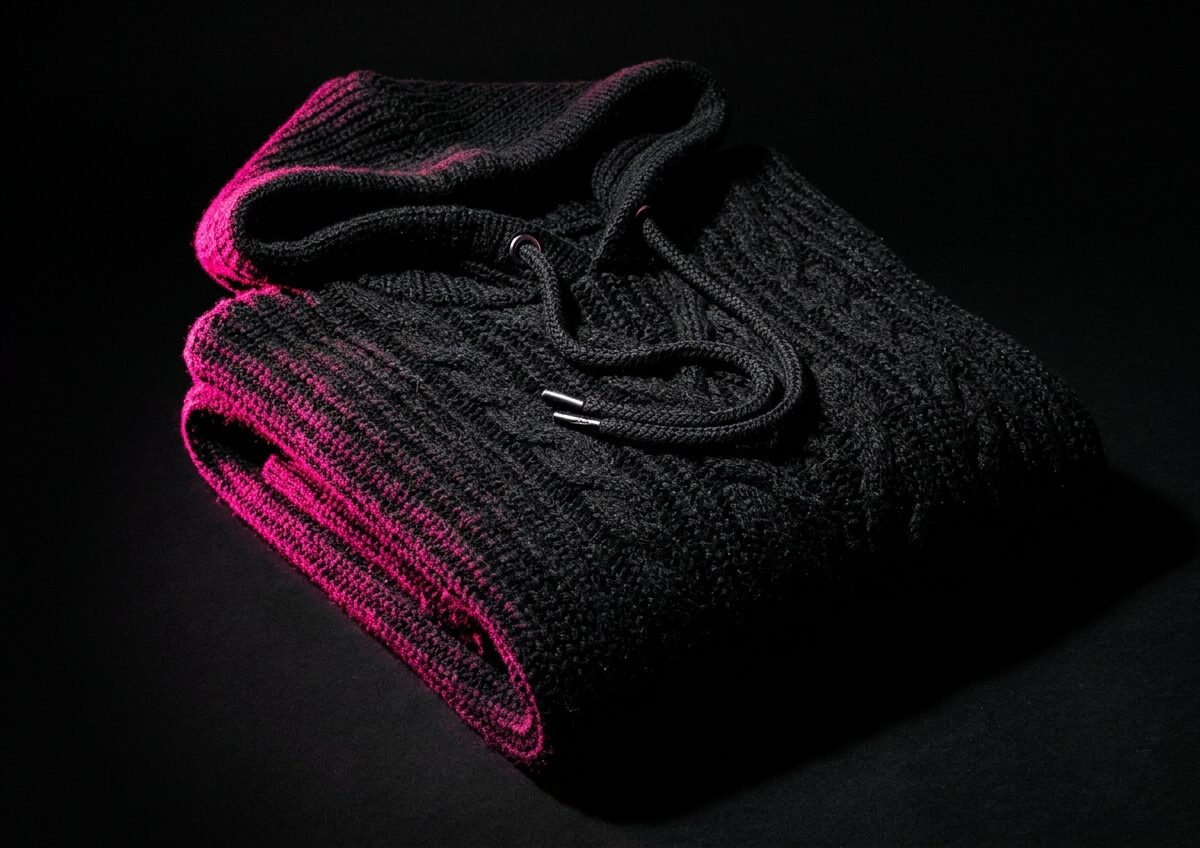
When I hear the word ‘recall,’ my brain goes straight to cars or romaine lettuce. Not sweaters. And yet.
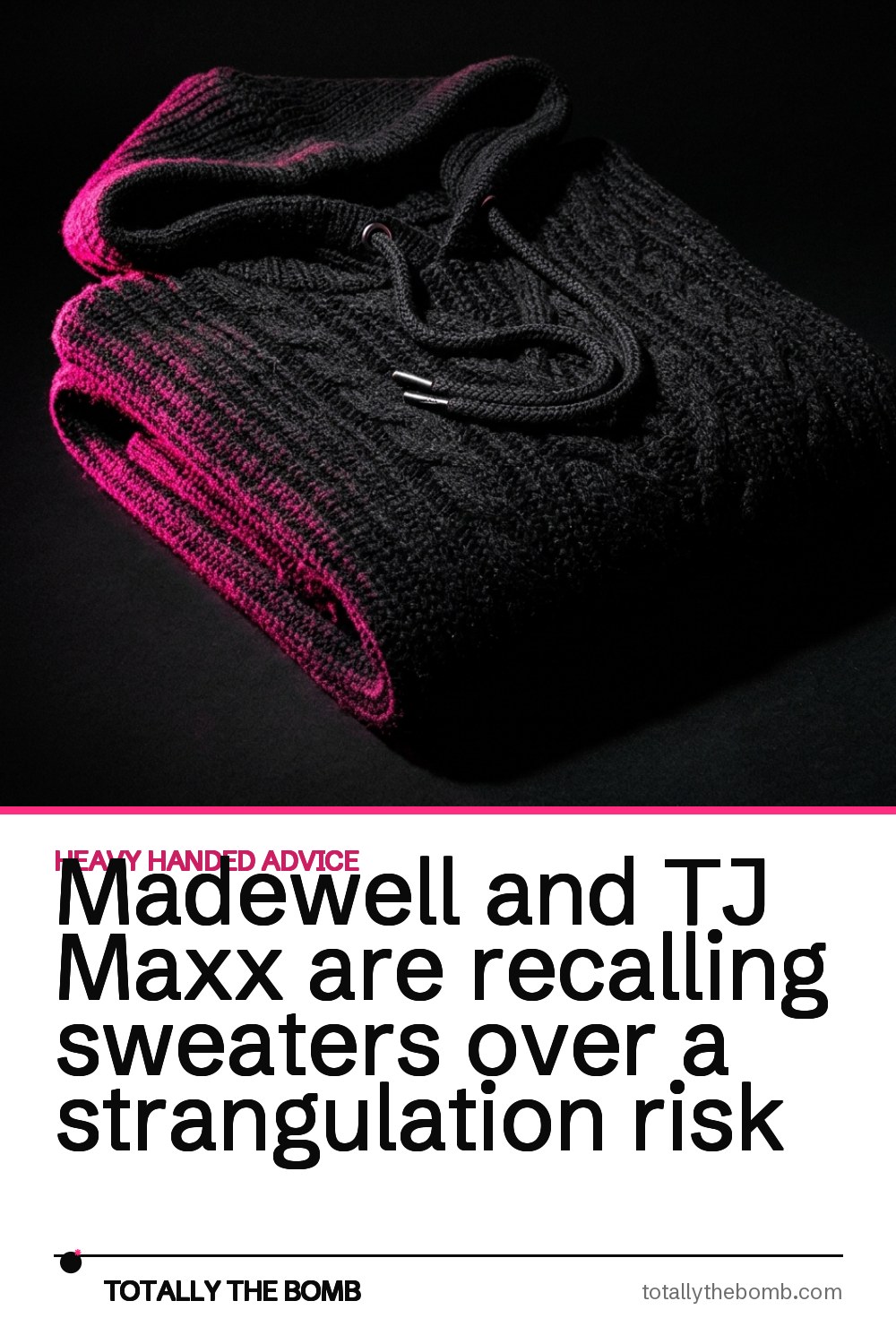
Madewell and TJ Maxx are both wrapped up in a recall right now, and the reason — drawstrings that pose a strangulation hazard — isn’t a minor technicality. This isn’t a wrong-button-count situation. This made it all the way to the sales floor, got purchased, and is sitting in someone’s closet right now.
That’s the part I can’t stop thinking about.
What is the Madewell TJ Maxx sweater recall actually about?
The U.S. Consumer Product Safety Commission flagged a line of Madewell sweaters because their hood and neck drawstrings don’t meet federal safety standards. Drawstrings on children’s outerwear have been a documented strangulation hazard since at least the 1990s — they catch on playground equipment, escalators, car doors — and the CPSC has had explicit guidelines on this for decades. The rule isn’t new. The rule isn’t complicated. Someone didn’t follow it.
The sweaters were sold at TJ Maxx locations and through Madewell’s own channels. That two-retailer situation is part of why this one’s worth paying attention to — a lot of people bought these and have no idea.
How did a Madewell product end up at TJ Maxx?
Madewell selling through TJ Maxx sounds weird if you think of it as a full-price brand, but this is totally standard. Brands offload overstock and past-season inventory through discount retailers all the time — that’s basically TJ Maxx’s whole business model and everyone involved knows it.
But when a product moves through that many hands before it hits a rack, accountability gets blurry fast. Is it the brand’s job to check? The retailer’s? The answer is both, and the fact that this got through anyway is the whole problem.
Why do drawstring recalls keep happening?
Drawstring hazards are one of the most preventable recall categories out there. The CPSC standard for children’s upper outerwear is clear — no drawstrings at the hood or neck. Not shorter ones. Not tucked-back ones. None.
And yet this keeps coming up. I’ve written before about the pattern of product safety corners getting cut — the rules exist, they’re not new, and someone still didn’t follow them. It’s exhausting in a way that’s hard to fully articulate without just yelling into a void.
To be fair to the complexity here: the voluntary standards that have been in place since the ’90s did reduce drawstring-related deaths significantly, according to CPSC’s own data on children’s clothing hazards. That makes it more frustrating when a case like this still slips through, not less.
Does this recall affect adult sizes too?
The CPSC strangulation hazard guidelines are specifically tied to children’s sizing — that’s where the regulatory framework is clearest. If the affected sweaters were labeled as children’s or youth sizes, that’s the primary concern.
That said, drawstring entanglement isn’t exclusively a kids’ risk. Adults have been hurt too. So if you’ve got an adult-size sweater with a hood drawstring that’s weirdly long or poorly secured, it’s worth a second look regardless of what the label says.
What should you actually do right now?
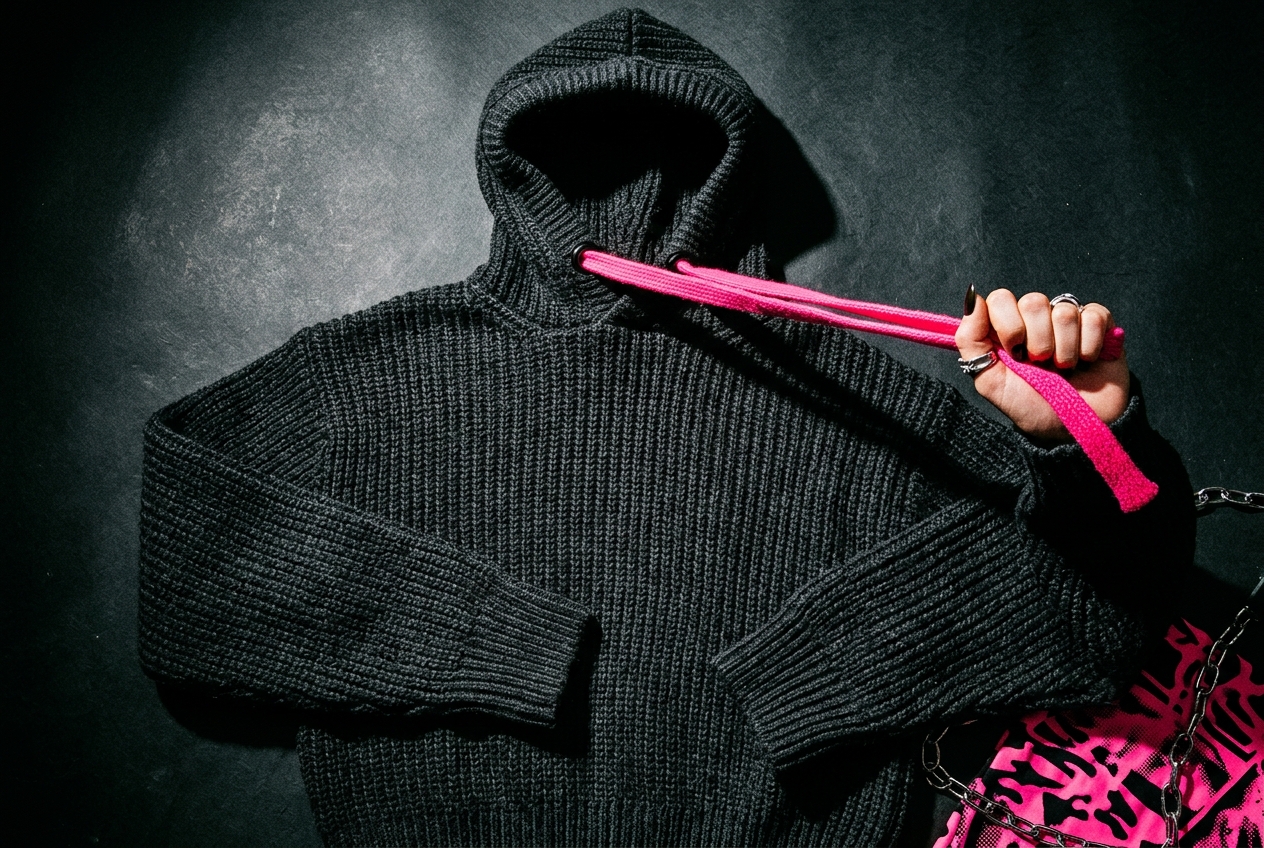
Check your closet. If you bought a Madewell sweater from TJ Maxx in the last year or two, pull it out and look at the hood and neck area for drawstrings.
If it looks like it might be affected, stop wearing it — especially on anyone under 14 — and go to CPSC.gov to confirm your specific item. The recall database lets you search by brand and date range. Follow their instructions to return it for a refund or replacement.
Don’t just cut the drawstring off yourself. I know that feels like a solution, but it voids your ability to get compensated, and more importantly it doesn’t register that anyone actually caught the problem. The CPSC tracks whether recalls are being followed through on. Your complaint matters.
Who actually dropped the ball here?
Madewell is a J.Crew Group brand. It markets itself on quality and doing things right. TJ Maxx moves millions of units through hundreds of stores. Neither of these is some tiny operation running without resources or compliance teams.
So the question of who missed this is a reasonable one, and ‘we’re working with the CPSC to address it’ doesn’t fully answer it. What I’ve seen over and over — and what I talked about in my earlier piece on what happens when corners get cut in the supply chain — is that accountability tends to slide toward whoever ends up holding the product last. Which is usually the consumer.
A recall is only useful if people know about it. Most people don’t go hunting for recall notices on a sweater they bought on a random Tuesday at TJ Maxx six months ago. That communication gap is on both brands to fix — not just this one time, but as a baseline expectation going forward.
But what do I know? I’m just the person who actually reads the recall notices.
Look — I’m not here to tell you to never shop TJ Maxx. I’m there basically every other week, same as you, and I will continue to be.
But ‘discounted’ doesn’t mean ‘pre-checked.’ This is a good reminder of that. Do the five minutes of work. If your sweater’s affected, get your money back.
And maybe the only thing that makes brands take the next recall seriously is knowing that people actually followed through on this one. Check the tags. Literally and figuratively.
Frequently asked questions
Why are Madewell sweaters being recalled from TJ Maxx?
How do I know if my sweater is part of the Madewell TJ Maxx recall?
What should I do if I have a recalled Madewell sweater?
Are TJ Maxx purchases covered the same way as a brand recall?
Why do drawstrings on kids’ clothing keep showing up in recalls?
Does the Madewell drawstring recall affect adult sizes?
Where do I report a recalled product to the CPSC?