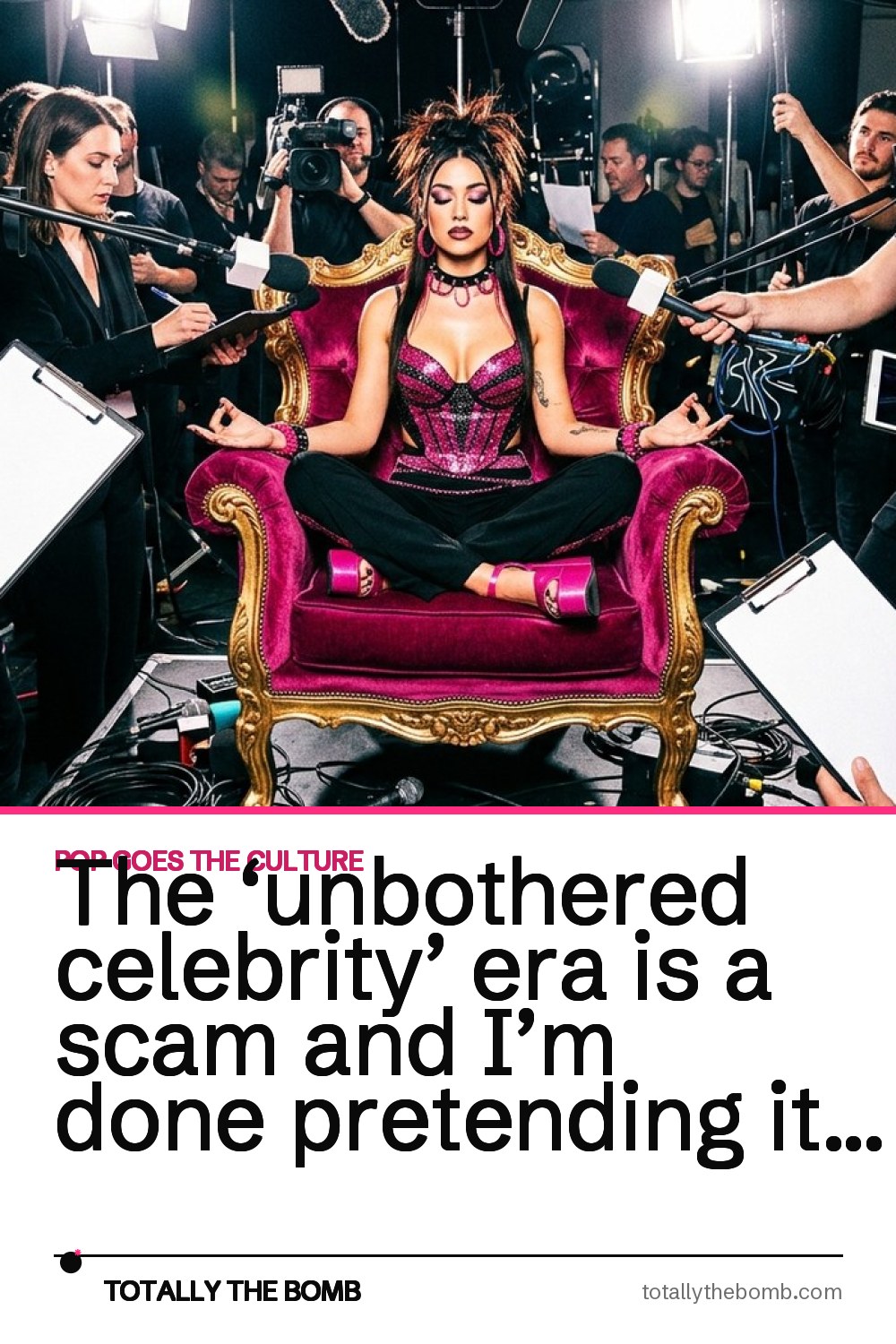
There is a script. I don’t know when it got passed around, but every celebrity has clearly read it, memorized it, and is now delivering it directly into a podcast microphone.
It goes something like this: ‘I just really had to step back and protect my peace. I’m not on social media anymore. I don’t read the comments. I’ve found this beautiful stillness and I’m just so grateful.’ Then they blink twice, the host nods like they’ve just witnessed enlightenment, and everybody moves on.
And I’m sitting here like — you are on your fourth podcast this month. Who is booking these appearances? Because it isn’t a person who has found stillness.
What does ‘unbothered’ actually look like in practice?
The unbothered celebrity doesn’t post — but they do give an exclusive to People magazine about why they don’t post. They’ve stepped away from the noise — but they have a Substack now, a podcast of their own, and a brand deal with a wellness company that sells $90 magnesium supplements. They’re at peace. They want you to know about it constantly.
That’s not peace. That’s a pivot.
Is there a difference between actually being unbothered and performing it?
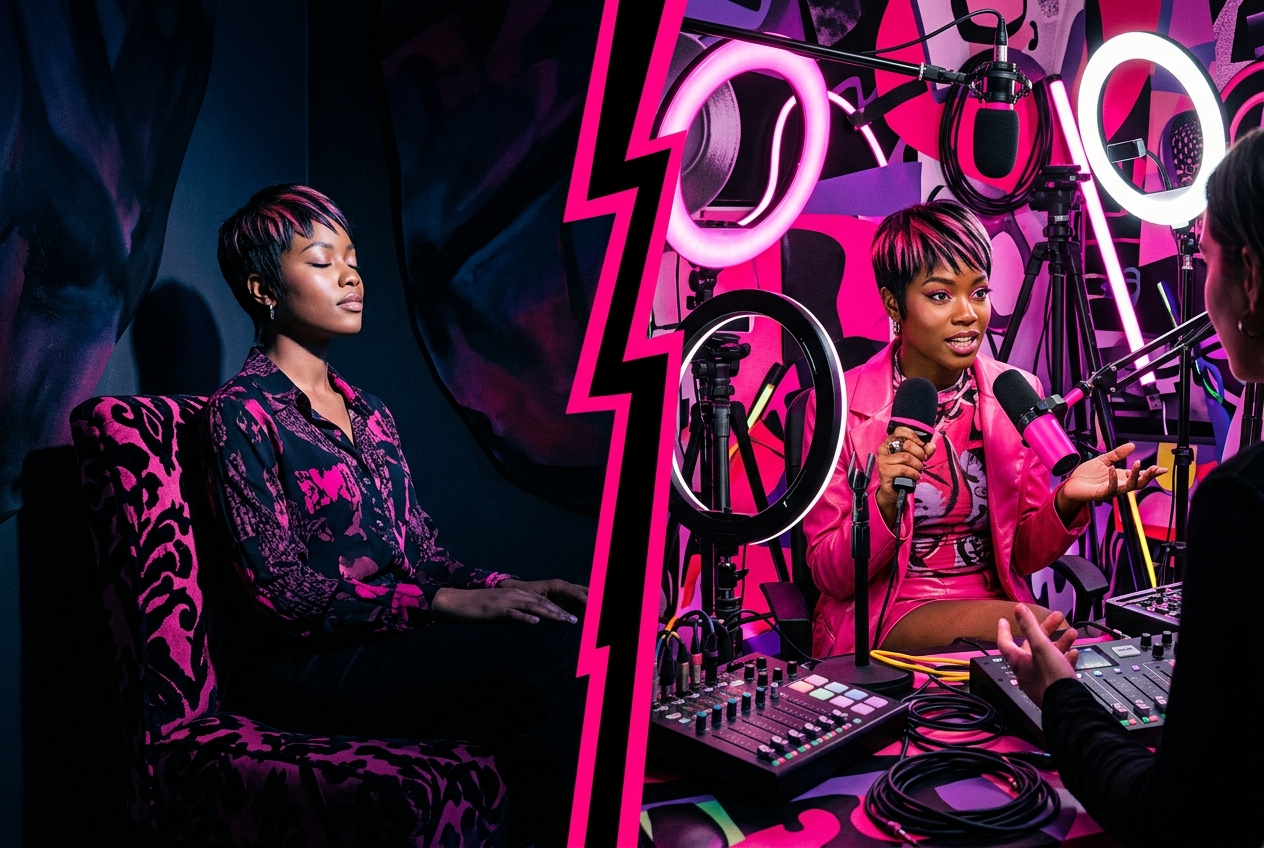
Honestly, yes — and it’s not even subtle once you start looking. Someone who is genuinely unbothered doesn’t announce it. They just… disappear for a while. Maybe they show up again later, maybe they don’t. They don’t film a documentary about their disappearance while they’re still disappearing.
The performance version follows a formula. Step one: something bad happens — a breakup, a public dragging, a project that flopped. Step two: go quiet for exactly long enough that people start asking where you are. Step three: re-emerge with a soft-lit interview about healing. Step four: announce the new era, the new project, the new you. Step five: call it peace.
That’s a PR rollout. A very good one, honestly. But let’s not confuse it with actual quiet.
Why is everyone doing this right now?
Because the internet got mean and the old way of fighting back — the clapback, the Twitter war, the public statement — stopped working. Audiences got bored of it. Worse, they started rooting for the takedown.
So the smarter move became stepping back from the game entirely. Except you can’t actually step back, because you still have projects to sell and a team of people whose jobs depend on your visibility. So you perform the stepping back instead. You narrate it in real time. You make the detachment itself into the content.
And look — I get it. I don’t even fully blame them. The internet is genuinely brutal and the pressure these people are under is real. As one New York Times piece on celebrity mental health pointed out, public figures face a specific kind of exhausting scrutiny that most of us will never understand. That part tracks.
But acknowledging the pressure doesn’t mean we have to nod along when someone turns their burnout into a content strategy.
The strongest argument for giving them grace
Okay, here’s the thing — and I want to be fair about this. Some people genuinely do go through something hard and find their way out of it. And when you’re famous, the only way to communicate that journey to the people who’ve been following you is publicly. There’s no private version of a public life.
Maybe the podcast appearances aren’t cynical. Maybe they’re just the only tool available. Maybe saying ‘I found peace’ on a microphone is the closest thing some of these people get to processing it out loud.
I’ve sat with that argument. I respect it.
I still think the machine around them turns every genuine moment into a deliverable, and eventually even they can’t tell the difference anymore.
The tell that gives it away every single time
You want to know the real giveaway? It’s the merch drop.
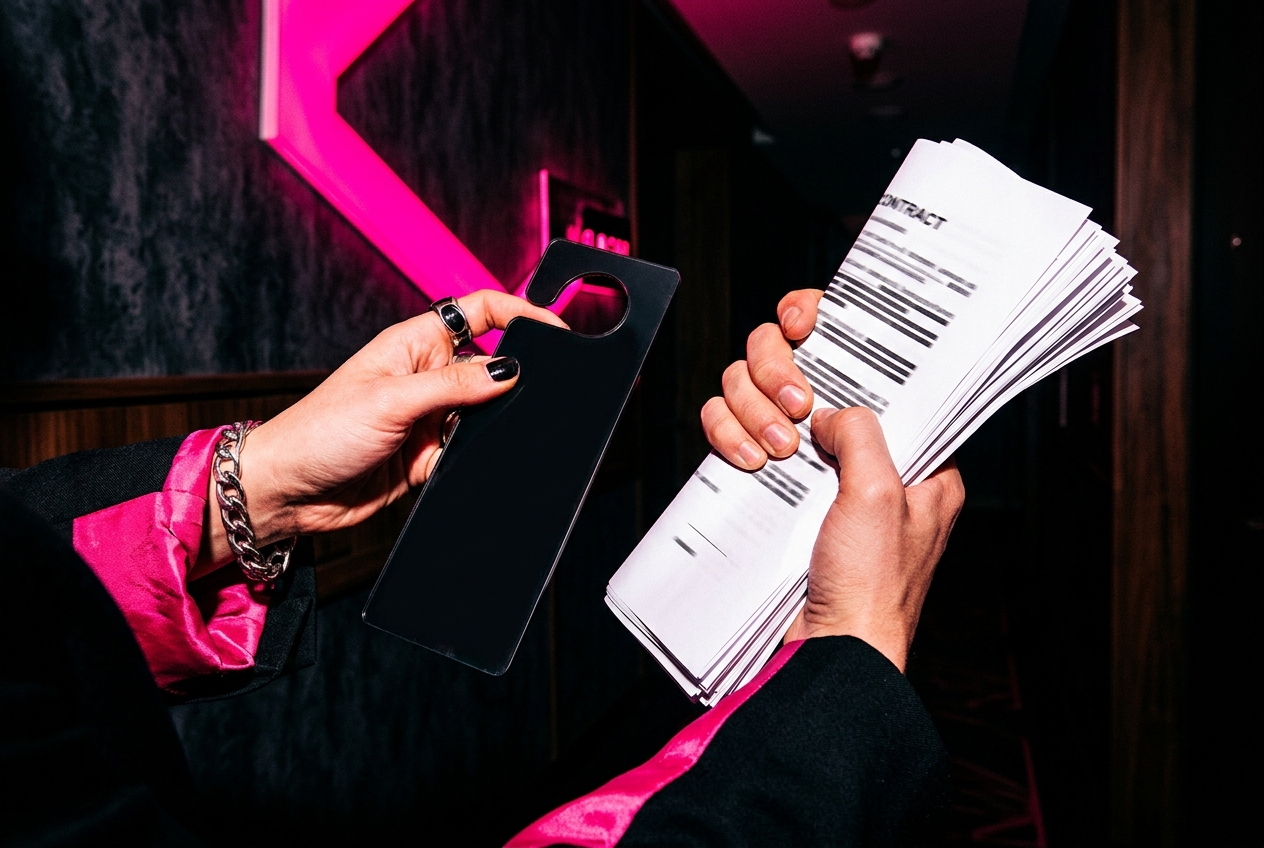
The unbothered era always — always — has a merch drop, a book, a podcast, a tour, or a brand partnership attached to it within about ninety days. The peace announcement is the runway. The product is the landing.
And I’ve written about this kind of thing before — back when I got into the way brands turn authenticity into a sales tactic — and the celebrity version is just a more expensive variation on the same thing. The aesthetic is realness. The goal is revenue. Nothing wrong with revenue. Just say that.
So what would actually unbothered look like?
Someone who quietly stopped doing press and just made the thing they wanted to make. Someone whose name you forgot about for two years and then they just showed up with something good. No announcement. No rebrand. No guided meditation ad read in the middle of explaining their mental health journey.
Those people exist. You just don’t hear about them much, which is — and I realize the irony here — kind of the point.
But what do I know? I’m writing about celebrities who say they don’t care about attention, on the internet, for people’s attention. We’re all a little bit in the machine.
The part that actually bothers me
It’s not even the celebrities themselves that get to me. It’s what the trend tells younger people about what healing is supposed to look like.
If you’re going through something genuinely hard, you don’t owe anyone a narrative arc. You don’t have to find your peace on a timeline, brand it, and deliver it with a lesson. Real recovery is boring and nonlinear and doesn’t have good lighting.
As I got into in my post on the pressure to perform okay-ness online, there’s something quietly damaging about watching people package their worst moments into inspiration content — because it makes everyone else feel like their mess should also be a message by now.
Sometimes you’re just still in it. That’s allowed.
The unbothered era will keep going because it works. It’s a genuinely effective rebrand and the audiences who are tired of it are outnumbered by the ones who find it aspirational.
But I can’t be the only one who flinches a little when someone announces their peace louder than they ever announced anything else.
Unbothered, as a concept, should be quiet. The whole point is that you stopped needing to say it.
Frequently asked questions
What is the ‘unbothered celebrity era’?
Are celebrities actually finding peace or is it a marketing strategy?
Why do so many celebrities claim to be unbothered at the same time?
Is there anything wrong with celebrities talking about their mental health publicly?
How can you tell if a celebrity is genuinely unbothered versus performing it?
Does the unbothered celebrity trend affect regular people?
What would a celebrity actually look like if they were truly unbothered?