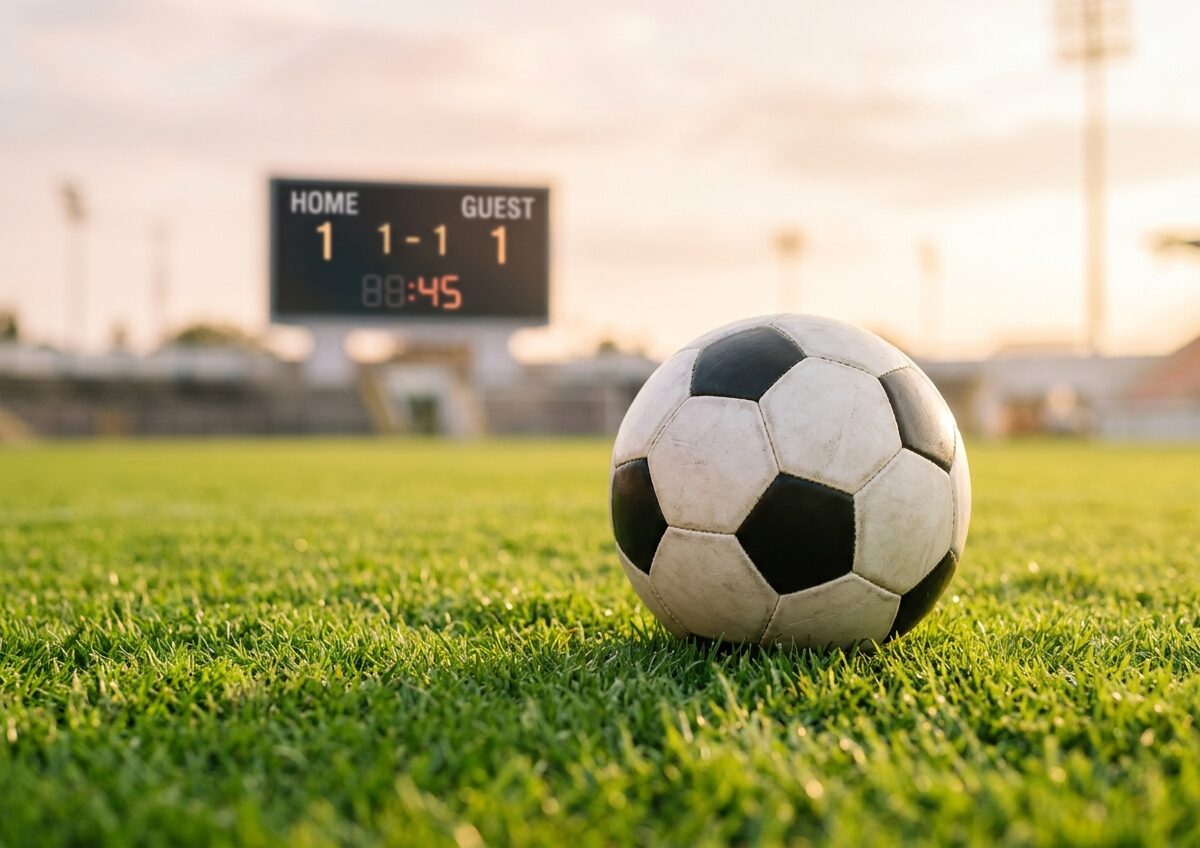
You’re watching the match. It’s the 90th minute. The score is 1-1. The whistle blows. And now everyone around you is either celebrating or confused, because — wait, did someone win? Does this count? What happens now?
This depends entirely on where you are in the tournament. And it makes sense because the World Cup doesn’t treat all ties the same way. A draw in the group stage is a completely different animal than a draw in the round of 16.
Here’s exactly what happens — updated for 2026, which is bringing some changes worth knowing about.
What does a tie actually mean in the group stage?
In the group stage, a draw is a perfectly valid result — both teams get one point and nobody goes home early over it. Each team plays three group-stage matches, and points stack up: three for a win, one for a draw, zero for a loss. It’s the same format FIFA has used for decades, and it works because you need a way for multiple teams to share a group without a definitive winner every single match.
So if you watched a group-stage game end 0-0 and felt robbed — you weren’t. That’s just how it goes.
What happens when it’s a tie in the knockout rounds?
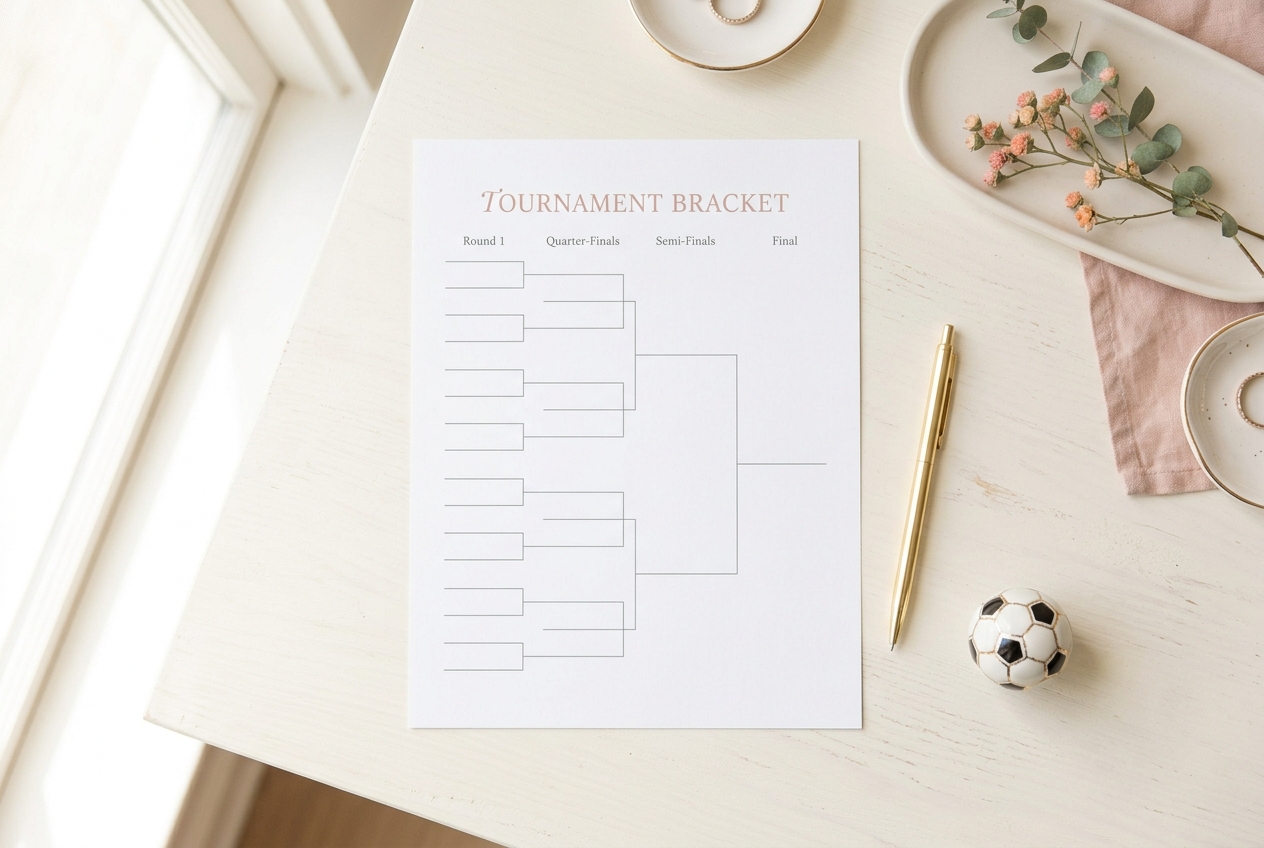
This is where it gets real. Once the bracket begins — round of 32 in 2026, more on that in a second — a tie at 90 minutes does not just stand. Someone has to advance.
First comes extra time: two 15-minute halves, played in full regardless of whether a goal is scored. No sudden death. No golden goal. Both 15-minute periods play out completely.
If it’s still tied after extra time — hello, penalty shootout. Each team picks five players to take alternating kicks from the spot. If it’s still level after five each, it goes to sudden-death penalties until someone misses and someone scores in the same round.
It’s brutal. It’s dramatic. It’s also the only fair way anyone’s figured out how to end a football match that has to have a winner.
Wait — what’s different about the 2026 World Cup format?
The 2026 World Cup — hosted across the United States, Canada, and Mexico — is expanding to 48 teams for the first time. That means the group stage is restructured: 12 groups of four teams, with the top two from each group advancing, plus the eight best third-place finishers.
The knockout stage now starts with a round of 32 before the round of 16. That’s new. But the rules for knockout ties don’t change — extra time, then penalties, same as always.
What it does mean is there are more group-stage matches where a draw is a totally fine result, and more knockout matches where a draw is absolutely not.
How does FIFA decide who advances if teams are tied on points?
This is the question nobody thinks to ask until it matters, and then everyone is screaming it at a television simultaneously. If two or more teams finish with the same number of points in their group, FIFA uses a tiebreaker system that goes in this order:
1. Goal difference (goals scored minus goals conceded)
2. Total goals scored
3. Head-to-head points between the tied teams
4. Head-to-head goal difference
5. Head-to-head goals scored
6. Fair play points (yellow and red card counts)
7. FIFA ranking
Yes, it can come down to yellow cards. Yes, that has happened. Yes, it’s as painful as it sounds.
Does the penalty shootout count as part of the match result?
No — and this matters more than people realize. Officially, a match decided by penalties is recorded as a draw in the historical record. The team that wins on penalties advances, but the scoreline stays at whatever it was at the end of extra time. So if England beats Colombia 4-3 on penalties after a 1-1 draw, the official result is 1-1 (4-3 on pens). The penalty score lives in parentheses, like an asterisk the sport is slightly embarrassed about.
Is there any way a World Cup match ends in a tie AND someone still goes home?
Yes — in the group stage. If you’re in third place in your group after three matches, a draw in your final game might not be enough to keep you alive. Whether that draw sends you home depends entirely on what the other teams in your group did. You can draw all three matches, collect three points, and still miss the knockout round if others in your group did better.
The math is ruthless and sometimes very funny.
Why do people still find the penalty shootout controversial?
Because it replaces 90-plus minutes of team football with what essentially becomes an individual skills contest under maximum psychological pressure — and not everyone thinks that’s a fair way to decide a World Cup match. Critics argue it rewards nerve over tactics. Supporters say it’s the only method that actually works logistically and produces a clear winner without playing forever.
Both sides have a point, honestly. The shootout is genuinely unfair and also genuinely necessary, and that tension is part of why it’s so hard to watch.
The World Cup has a rule for every scenario — group draw, knockout draw, points tiebreaker, penalties, all of it. It makes sense because a tournament this size can’t leave anything to chance or chaos, even if it sometimes feels like chaos anyway.
If you’re watching in 2026, the format is bigger but the core logic is the same: group stage draws are fine, knockout draws are not, and at some point someone is going to win or lose a match on penalties and the whole world is going to hold its breath for about forty-five seconds.
Know the rules going in. It makes the whole thing hit harder.
Frequently asked questions
What happens if a World Cup group stage match ends in a draw?
What happens if a World Cup knockout match ends in a tie after 90 minutes?
How does a World Cup penalty shootout work?
Does a penalty shootout win count as a win in World Cup records?
How does FIFA break a points tie in the World Cup group stage?
What is different about the 2026 World Cup format?
Is there a golden goal rule in the World Cup?