15 Surprising Global Hygiene Practices That Will Amaze Americans
Hygiene habits can vary greatly from country to country, and what is considered normal in one place might seem unusual or even shocking in another. Around the world, people have developed unique ways to stay clean and healthy based on their culture, environment, and traditions. Some of these practices may be surprising to Americans, who are used to a specific set of hygiene standards.
In this list, we’ll explore 15 global hygiene practices that may seem hard to believe but are common in other parts of the world. From using water instead of toilet paper to communal bathing, these habits offer a fascinating glimpse into how different cultures approach cleanliness.
Bidets Over Toilet Paper (Europe and Asia)
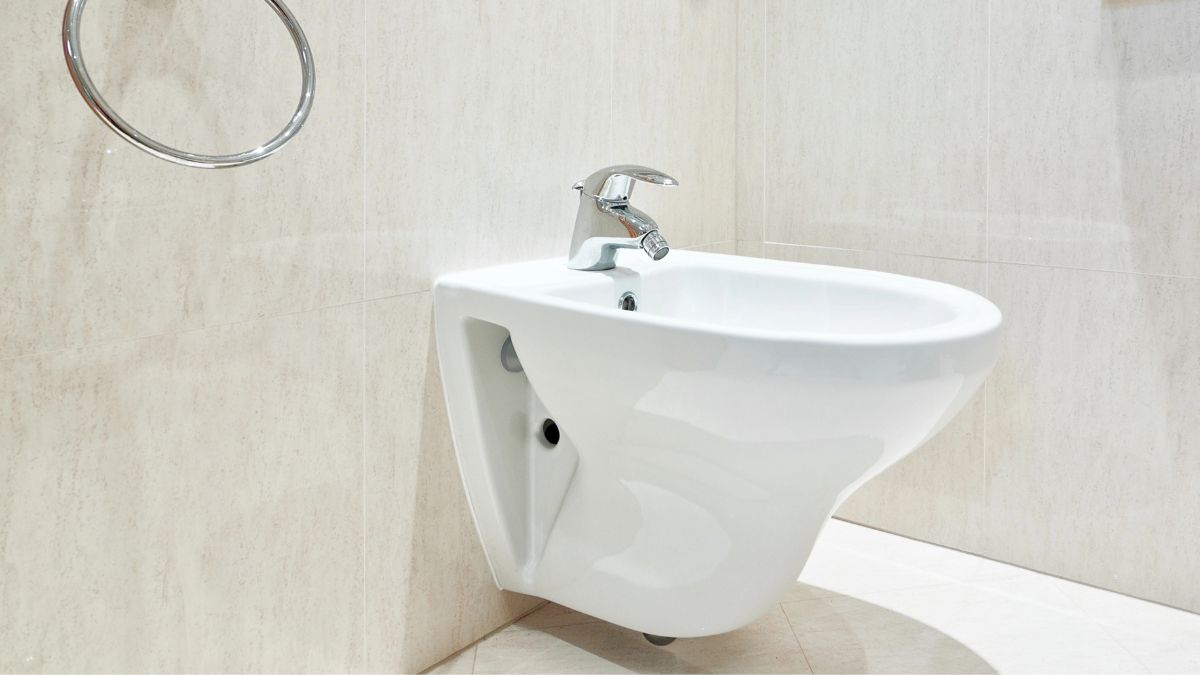
In many parts of Europe and Asia, bidets are a common feature in bathrooms, and they’re used instead of, or alongside, toilet paper. A bidet uses water to clean after using the toilet, which many people believe is more hygienic.
Americans, who typically rely on toilet paper alone, might find this practice unusual at first. However, bidets are becoming more popular in the U.S. as people discover their benefits. This water-based method is considered gentler on the skin and more environmentally friendly.
Daily Sauna Visits (Finland)

In Finland, visiting a sauna is a regular part of life, with many families taking sauna baths several times a week. It’s not just for relaxation; it’s considered an important hygiene practice to cleanse the skin and improve circulation.
Families often go to saunas together, and the heat is believed to have health benefits. This communal approach to bathing might feel strange to Americans, who usually prefer private showers. But for the Finnish, it’s a soothing and cleansing tradition.
Communal Bathing (Japan)

In Japan, public bathhouses, called onsen, are a traditional way to relax and clean the body. Visitors bathe communally, washing themselves thoroughly before entering the hot communal baths.
The practice is about purification and relaxation, with bathhouses being a social space as well. For Americans, who are used to privacy when bathing, the idea of communal baths can be surprising. Yet in Japan, it’s a normal and respected part of hygiene culture.
Using Hands for Eating (India and the Middle East)
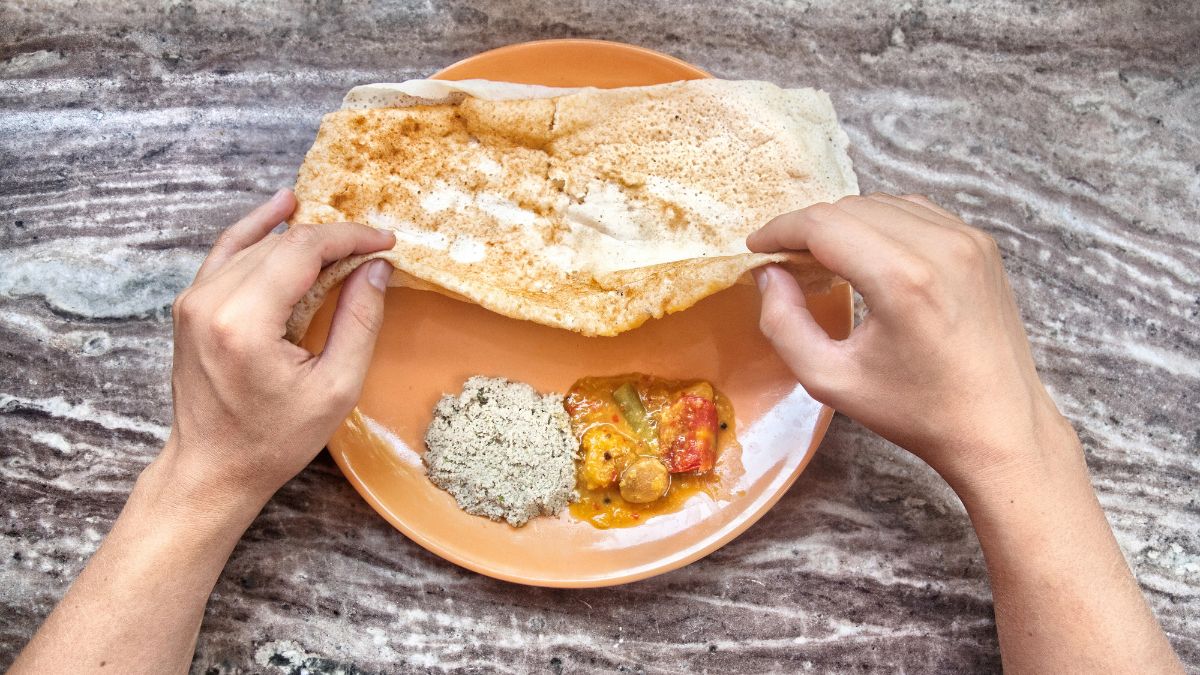
In India and many Middle Eastern countries, it’s customary to eat with your hands, particularly the right hand. There’s a strong belief in the cleanliness of using your own hands to handle food, as opposed to utensils that have been touched by many.
Before and after eating, people wash their hands thoroughly, making hygiene an important part of the process. For Americans, who rely on cutlery, this practice might seem less clean, but it’s deeply ingrained in these cultures.
No Shoes Inside the House (Asia and Scandinavia)
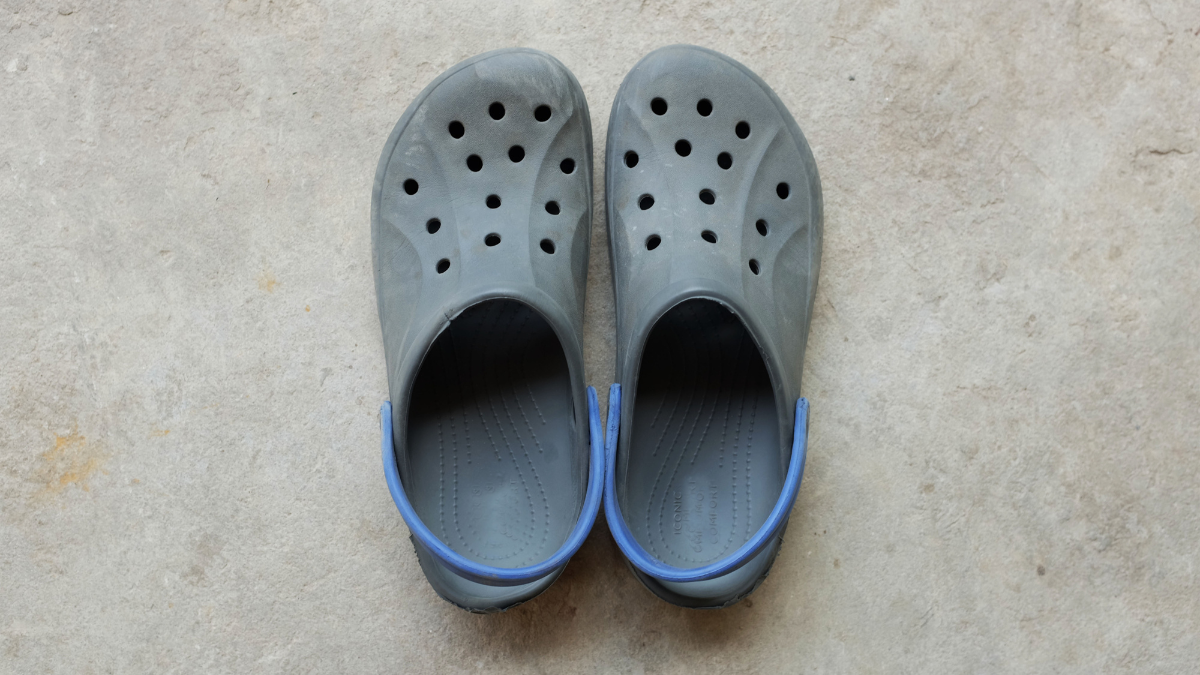
In countries like Japan, Korea, and parts of Scandinavia, it’s considered unhygienic to wear shoes inside the house. Visitors are expected to remove their shoes at the door to keep dirt and germs from spreading indoors.
Many American households don’t follow this rule strictly, but in these cultures, it’s a standard practice. Some homes even provide indoor slippers for guests to wear. This habit promotes a cleaner living environment and is a sign of respect.
Toothpicking in Public (Vietnam)
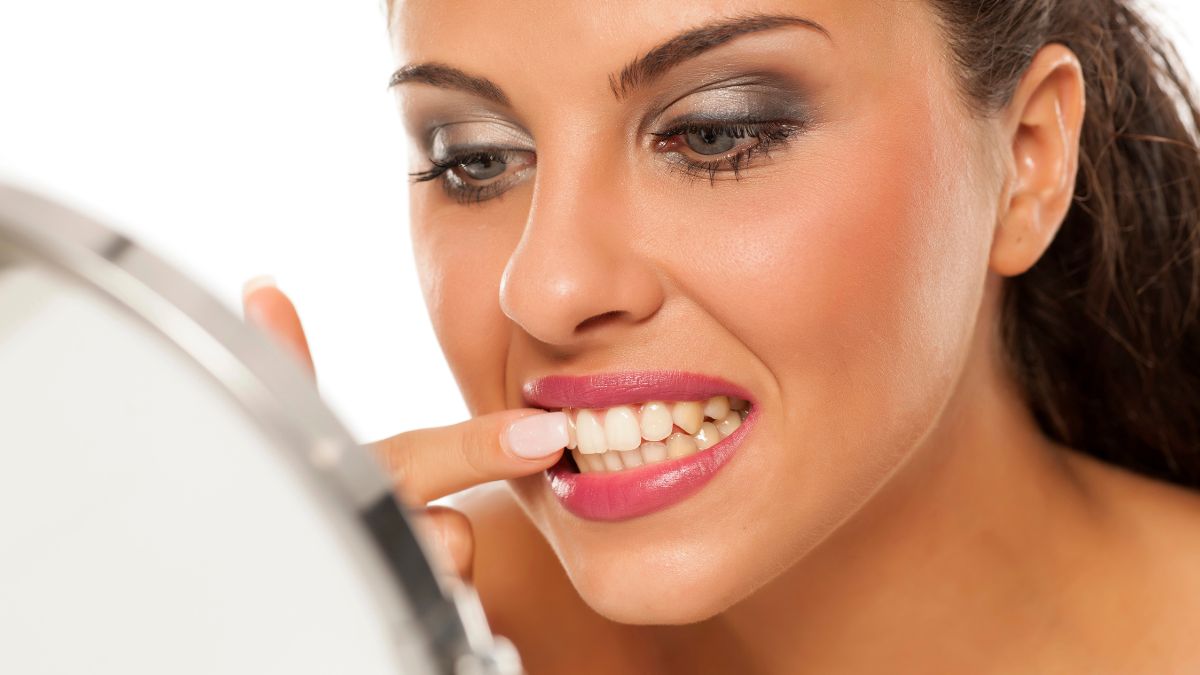
In Vietnam, it’s common to see people using toothpicks after meals in public. Cleaning teeth with a toothpick is considered part of good hygiene and isn’t something to be hidden or done in private.
While Americans typically prefer to avoid grooming in public, in Vietnam, it’s seen as a normal and polite act. After all, keeping your teeth clean is important, no matter where you are!
Using Ash for Handwashing (Rural Africa)
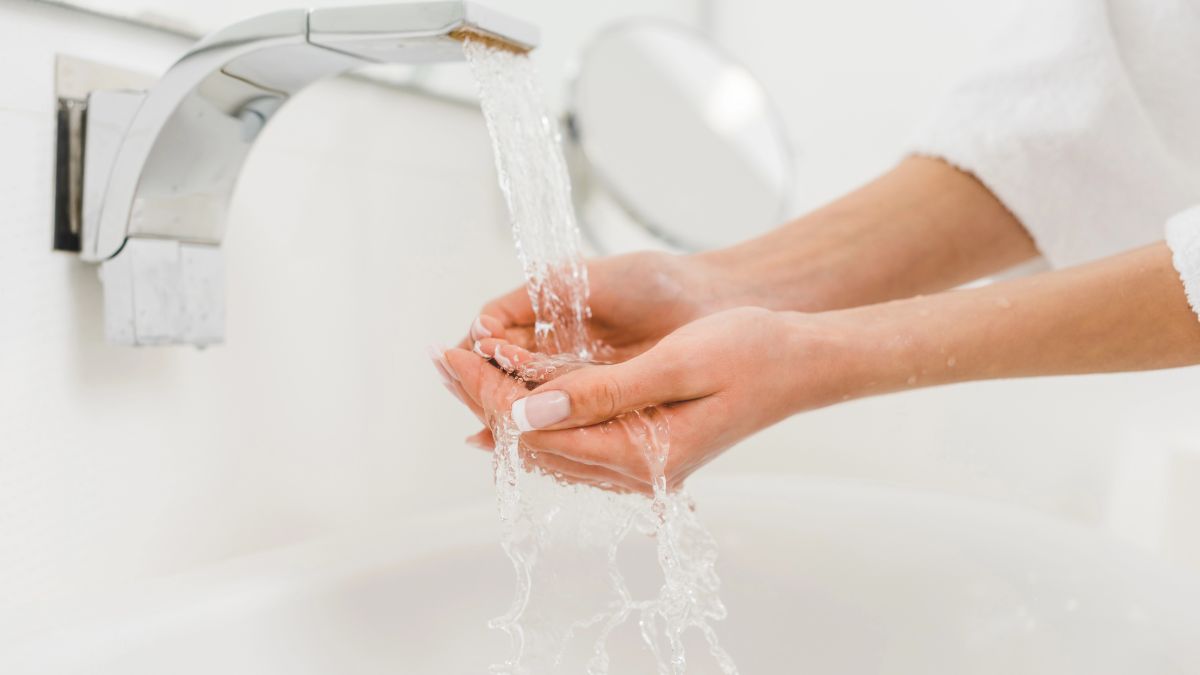
In some rural parts of Africa, where soap may not be easily accessible, people use ash as a substitute for handwashing. Ash is believed to have cleaning properties and can help remove dirt and bacteria from the skin.
This practice may seem unusual to Americans, who are accustomed to soap and water for hygiene. However, it shows how communities adapt to local resources to maintain cleanliness in challenging environments.
Nose Blowing Considered Rude (China and Japan)
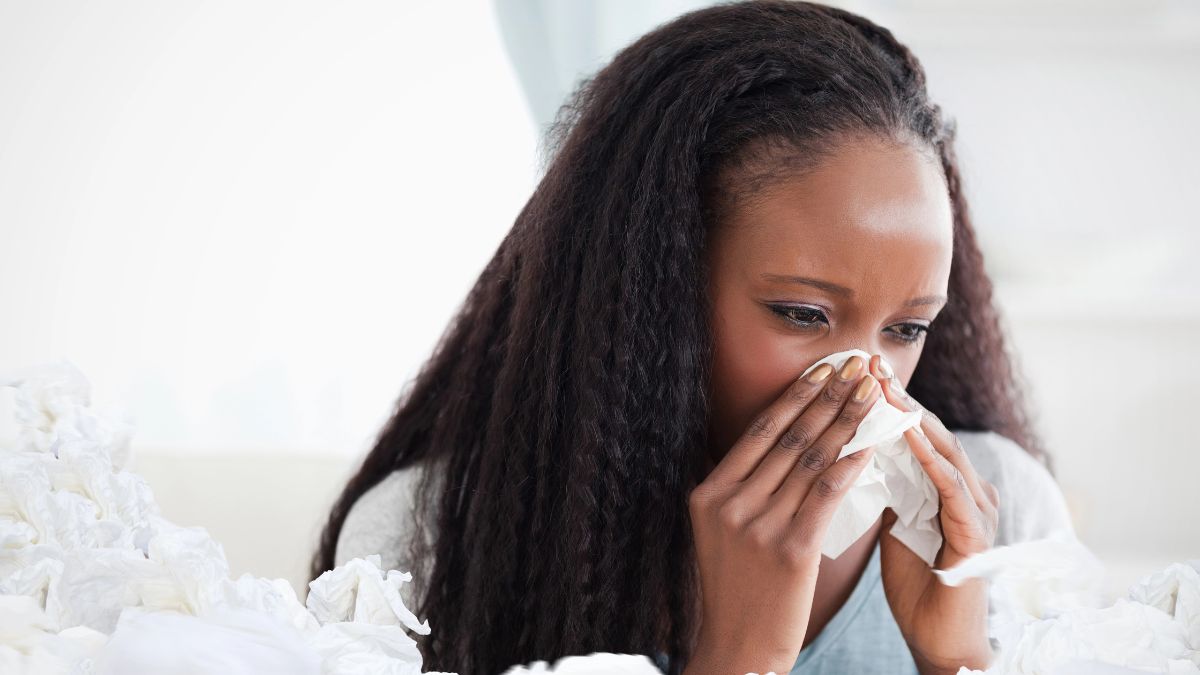
In China and Japan, blowing your nose in public is considered impolite and unhygienic. Instead of blowing their nose, people often sniffle quietly until they can excuse themselves.
Americans, who usually carry tissues and blow their noses without a second thought, may find this practice surprising. However, in these cultures, it’s believed that nose blowing spreads germs, making it a taboo act in public spaces.
Soap-Free Showers (France)
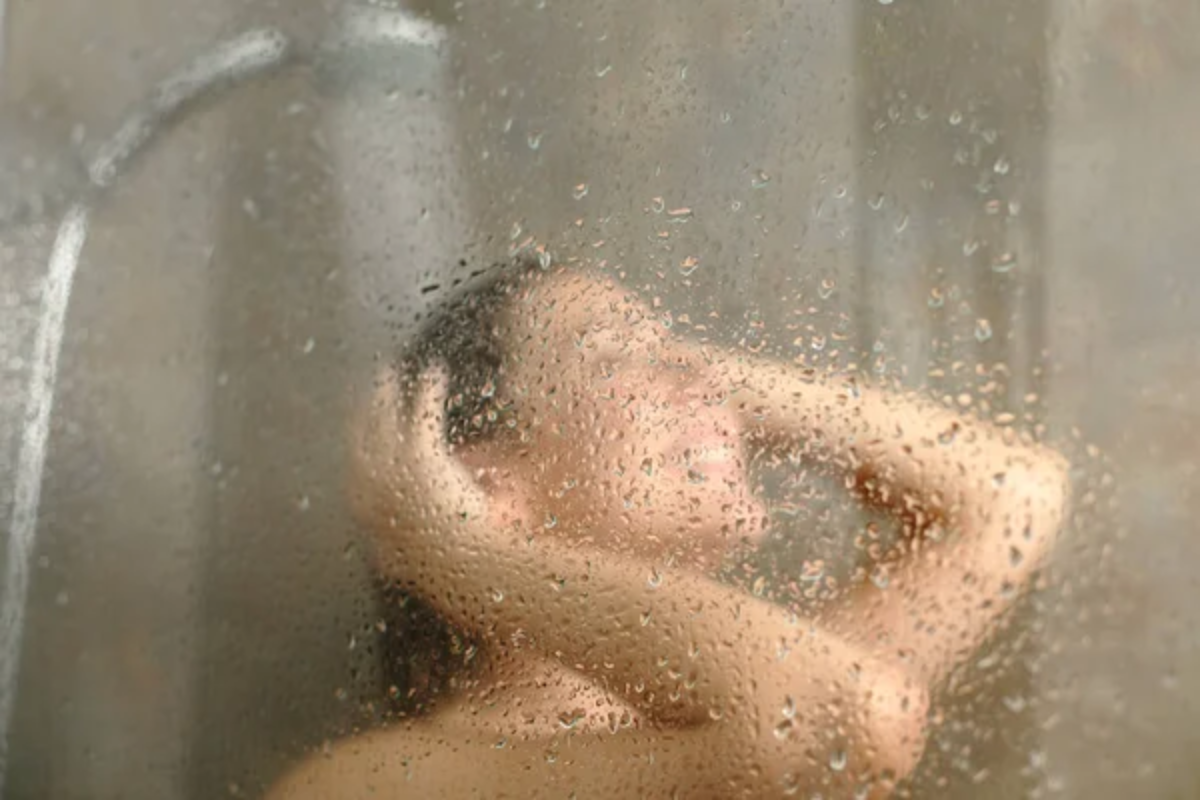
Some people in France believe that showering without soap is better for the skin. Instead, they rinse with water or use minimal products to avoid stripping the skin of its natural oils.
This “less is more” approach to hygiene might seem odd to Americans, who tend to lather up with soap during daily showers. However, many French people believe that using too much soap can actually damage the skin’s protective barrier.
Dry Baths with Sand (India and the Middle East)
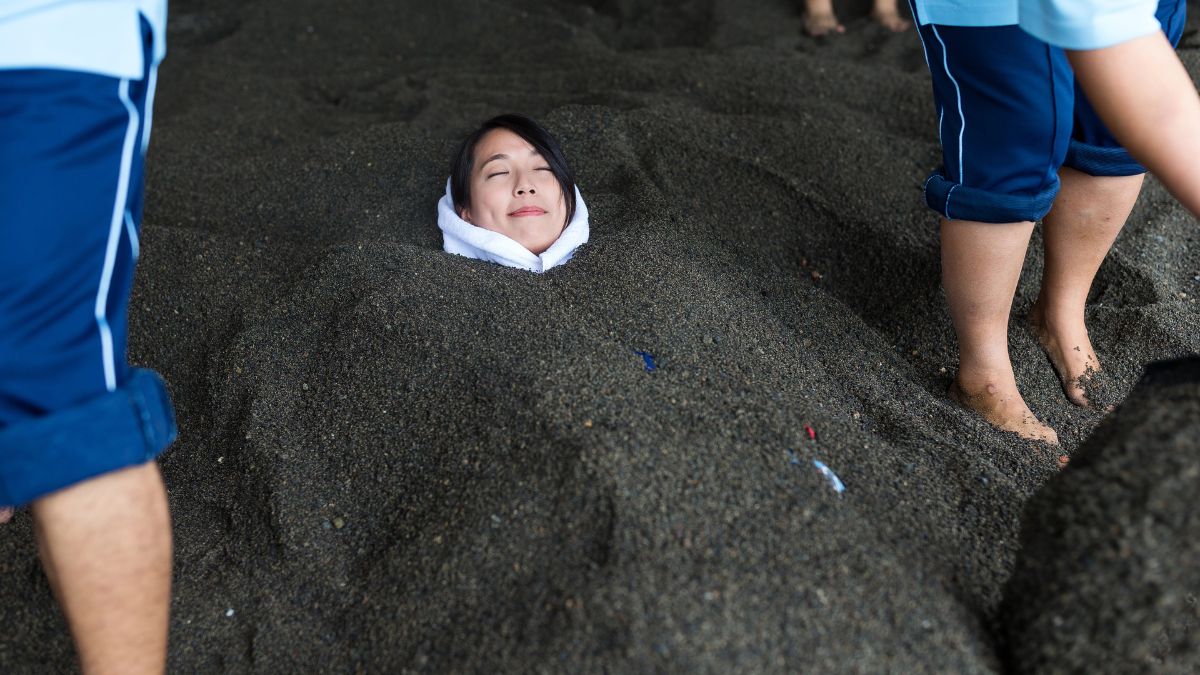
In desert regions like parts of India and the Middle East, water can be scarce, so people have traditionally used sand for cleaning. Sand baths involve rubbing the body with fine sand to exfoliate and remove impurities.
This method might seem strange to Americans, who associate cleanliness with water. Yet, for those living in dry climates, sand is a practical and effective way to maintain hygiene.
Spitting in Public (China)

In China, it’s not uncommon to see people spitting in public, particularly among older generations. Spitting is seen as a way to clear the body of impurities, and it’s not considered offensive in the same way it might be in the U.S. Americans often find this habit off-putting, but in China, it’s more culturally accepted, especially in outdoor spaces. However, spitting indoors is still frowned upon.
Using a Cloth for Baby Diapers (India)
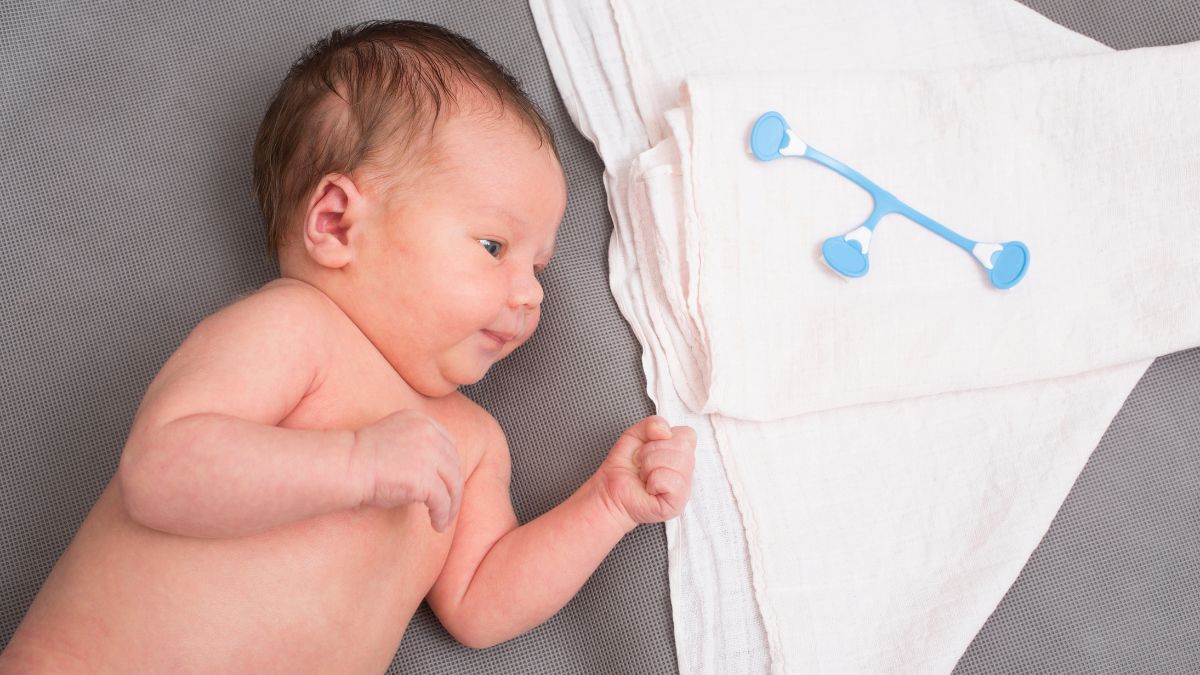
In India, many families use cloths instead of disposable diapers for babies. These cloths are washed and reused, making them a more eco-friendly option.
While cloth diapers are becoming more popular in the U.S., the widespread use of disposable diapers means this practice might seem outdated or inconvenient to many Americans. However, using cloth diapers is an effective way to reduce waste and save money.
Morning Oil Pulling (India)
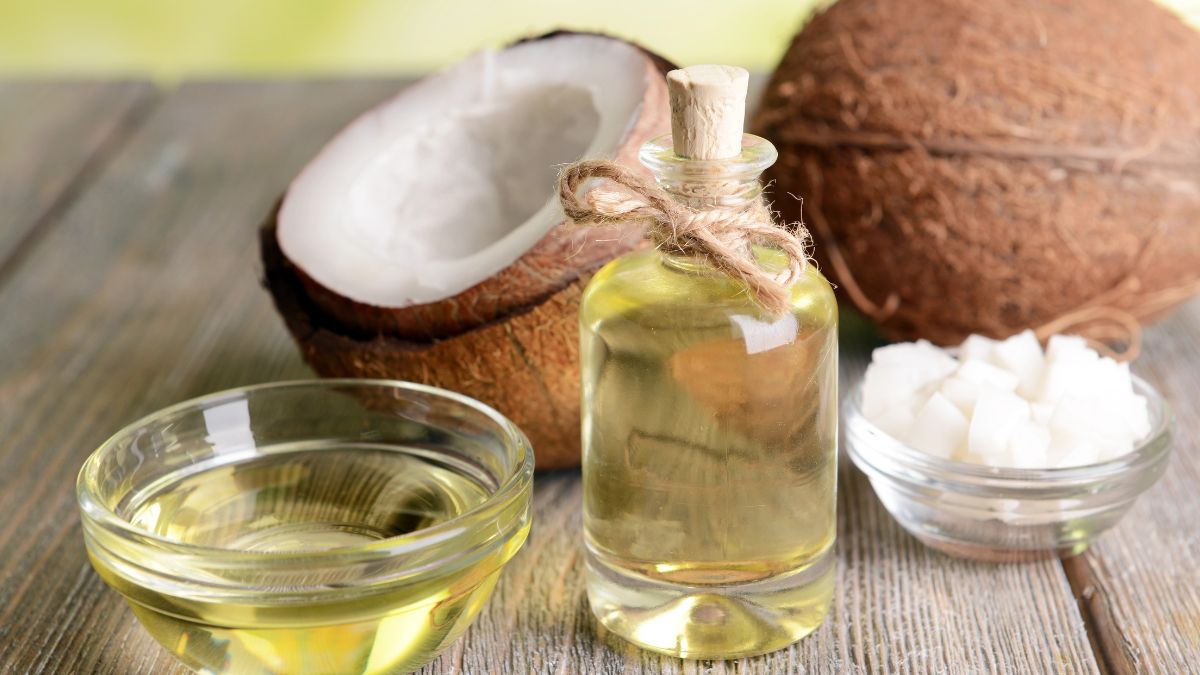
In India, oil pulling is a traditional oral hygiene practice where people swish oil (like coconut or sesame oil) in their mouth for several minutes. This is believed to remove toxins, whiten teeth, and improve oral health.
While Americans typically use mouthwash for fresh breath, oil pulling might seem like an unusual alternative. However, it’s a long-standing practice in Ayurvedic medicine and is still popular in India today.
Public Bathing in Rivers (India)

In India, it’s common for people to bathe in rivers, especially during religious ceremonies. The Ganges River, in particular, is considered holy, and many believe that bathing in its waters purifies both the body and soul.
While bathing in a public river might seem unhygienic to Americans, it’s a deeply spiritual practice in India. People believe that the river’s waters can cleanse them of sins and bring blessings.
Brushing Teeth with Twigs (Africa and the Middle East)
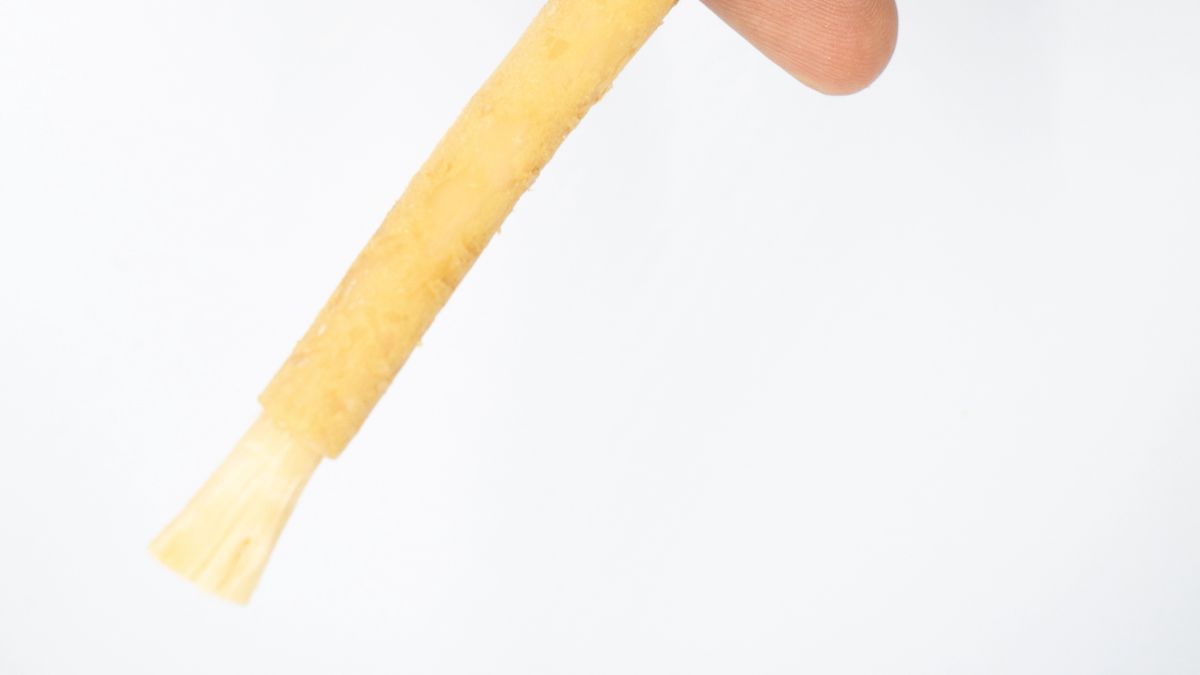
In parts of Africa and the Middle East, people use twigs from certain trees, like the miswak, to clean their teeth. These twigs have natural antibacterial properties and have been used for centuries as an alternative to modern toothbrushes.
While Americans rely on plastic toothbrushes and toothpaste, using twigs might seem primitive. However, these natural tools are highly effective in maintaining oral hygiene.
5 Clever Hacks To Reduce That Never-Ending Grocery Bill

Managing grocery expenses can be challenging for many households, especially with rising food costs and fluctuating budgets.
However, with some creativity and resourcefulness, you can implement numerous clever hacks to reduce your never-ending grocery bill without sacrificing the quality or variety of your meals.
15 Clever Hacks To Reduce That Never-Ending Grocery Bill
20 Frugal Habits You’ve Probably Never Thought of

Being frugal is more than just cutting back on expenses; it’s about adopting smart habits that help you save money and live more intentionally. While you may already be familiar with some standard frugal practices, many lesser-known habits can further stretch your budget and improve your financial well-being.