15 Things You Should Never Do in Someone Else’s Home
Visiting someone’s home is a chance to connect and enjoy their hospitality, but it’s important to remember that you’re a guest in their space. How you act can leave a lasting impression, and certain behaviors can come across as disrespectful—even if you don’t mean them that way. From small oversights to major missteps, there are a few unspoken rules every guest should follow.
Understanding these can help you avoid offending your host or making them feel uncomfortable. Whether you’re staying for a short visit or an extended stay, being mindful of your actions shows gratitude and respect. Here are 15 of the rudest things you can do in someone else’s home and how to avoid them.
Entering Without Knocking or Announcing Yourself

Even if you’re close to the homeowner, barging in without knocking is an invasion of privacy. Your host might not be ready to greet you, and entering unannounced can catch them off guard.
Always knock or ring the doorbell and wait for an invitation to come inside. If the door is open, you should still announce yourself instead of walking in silently. It’s a basic courtesy that sets a respectful tone for your visit. Remember, being familiar doesn’t mean ignoring boundaries.
Ignoring the Shoes-Off Rule

Many households prefer guests to remove their shoes to keep floors clean. Ignoring this request or not asking about it can come across as disrespectful. If you’re unsure, simply ask, “Should I take my shoes off?” before stepping further into the home.
Wearing dirty shoes inside can track mud or debris, creating unnecessary cleanup for your host. It’s also a good idea to bring socks or indoor slippers if you know the rule applies. Showing care for their space will always be appreciated.
Showing Up Uninvited or Unannounced

Arriving at someone’s home without notice puts your host in an awkward position. They might not be prepared to entertain guests or have other plans. Even if you’re close friends, it’s polite to ask if it’s a good time before stopping by.
Surprise visits can disrupt their routine and create unnecessary stress. If you want to drop by, give them a quick call or text to check first. Respecting their schedule shows you value their time and effort.
Criticizing Their Decor or Home

Pointing out flaws or making negative comments about someone’s home is incredibly rude. Whether it’s the furniture, color scheme, or cleanliness, keep your opinions to yourself unless they ask.
Your host likely worked hard to create a comfortable space, and criticizing it can feel like a personal attack. If you notice something you don’t like, remember that it’s their home, not yours. Focus on being gracious and finding something positive to say instead. Compliments go a long way in making your host feel appreciated.
Snooping Through Their Belongings

Rummaging through cabinets, drawers, or closets without permission is a major breach of trust. Even if you’re curious or looking for something, always ask before opening a door or drawer. Snooping can make your host feel violated and uncomfortable in their own home.
Respect the boundaries of their private spaces, such as bedrooms, offices, and personal storage areas. If you accidentally come across something personal, don’t comment or bring it up later. Being a trustworthy guest means respecting their privacy at all times.
Overstaying Your Welcome

Lingering too long after a meal or event can inconvenience your host. They might have other commitments, or they might just need time to relax after entertaining. Pay attention to cues, like your host cleaning up or checking the time, as signs that it’s time to leave.
If you’re staying as a guest overnight, stick to the agreed-upon schedule for your departure. Always thank your host and leave on a positive note. Knowing when to say goodbye is a sign of a considerate guest.
Making a Mess and Not Cleaning Up
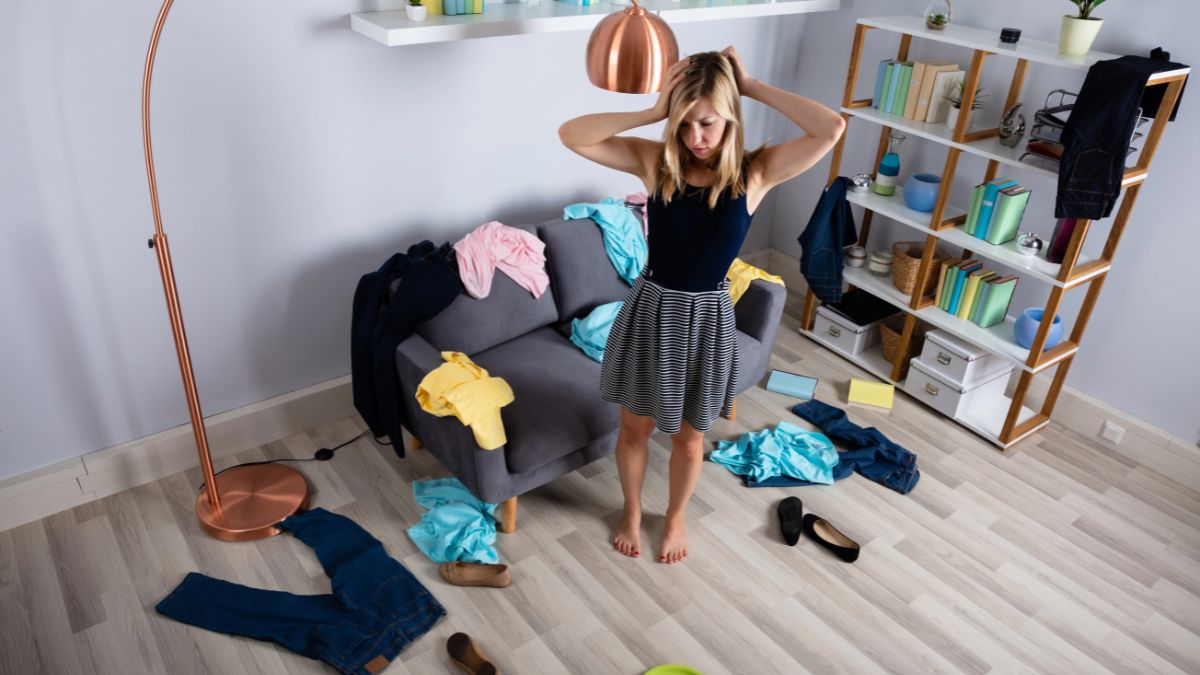
Leaving a mess behind, whether it’s dirty dishes, spilled drinks, or trash, is inconsiderate. While your host might insist on handling the cleanup, it’s polite to at least offer to help. If you’re using their kitchen, bathroom, or living areas, tidy up after yourself as much as possible.
Return items to their original place and wipe down surfaces you’ve used. A little effort goes a long way in showing appreciation for their hospitality. Don’t assume your host enjoys cleaning up after you.
Bringing a Pet Without Permission

Arriving with a pet unannounced can cause unnecessary stress for your host. They might have allergies, other pets, or house rules that don’t accommodate animals. Always ask beforehand if it’s okay to bring your furry friend along.
If they agree, make sure your pet is well-behaved and won’t create a mess or disturbance. Bring any supplies your pet might need, like food, a leash, or cleaning products. Respect their decision if they say no, and make other arrangements for your pet.
Taking or Using Things Without Asking

Using someone else’s belongings without permission is disrespectful, even if it seems harmless. This includes everything from food in the fridge to toiletries in the bathroom. Always ask before borrowing or using anything, no matter how small.
If you accidentally use something, let your host know and offer to replace it. It’s better to err on the side of caution than to assume it’s okay. Respect for their possessions is just as important as respect for their space.
Bringing Extra Guests Without Approval

Showing up with uninvited guests can throw off your host’s plans. They might not have enough food, seating, or space to accommodate extra people. Always check with your host before bringing a friend, partner, or child along.
If they’re okay with it, make sure your guest follows the same house rules you’re expected to follow. Unexpected guests can create unnecessary stress, even if they’re well-meaning. Being upfront about your plans shows consideration for your host’s effort.
Complaining About the Food

If your host has prepared a meal for you, complaining about it is one of the rudest things you can do. Even if it’s not to your taste, show gratitude for their effort. Avoid making negative comments about the flavor, portion size, or ingredients.
If you can’t eat something due to allergies or dietary restrictions, politely let them know ahead of time. Otherwise, focus on what you can enjoy and thank them for their hospitality. Compliments, even on small things, can make your host feel appreciated.
Being Loud or Disruptive

Excessive noise, whether it’s loud talking, laughing, or playing music, can disturb your host and their neighbors. Be mindful of your volume, especially late at night or early in the morning. If you’re staying overnight, respect quiet hours and keep your activities low-key.
Disruptive behavior can make your host regret inviting you over. Always consider the household’s usual routine and adapt accordingly. Being a respectful guest means blending in rather than standing out for the wrong reasons.
Using the Bathroom for Too Long

Hogging the bathroom, especially in a home with limited facilities, can be frustrating for your host and other guests. Be efficient with your time and avoid taking long showers or excessive grooming sessions. If you’re staying overnight, clean up after yourself and leave the bathroom tidy.
Let your host know if you run out of supplies or accidentally cause any damage. Sharing a bathroom requires consideration and good communication. Don’t make your host feel uncomfortable addressing the issue.
Rearranging or Adjusting Things Without Asking
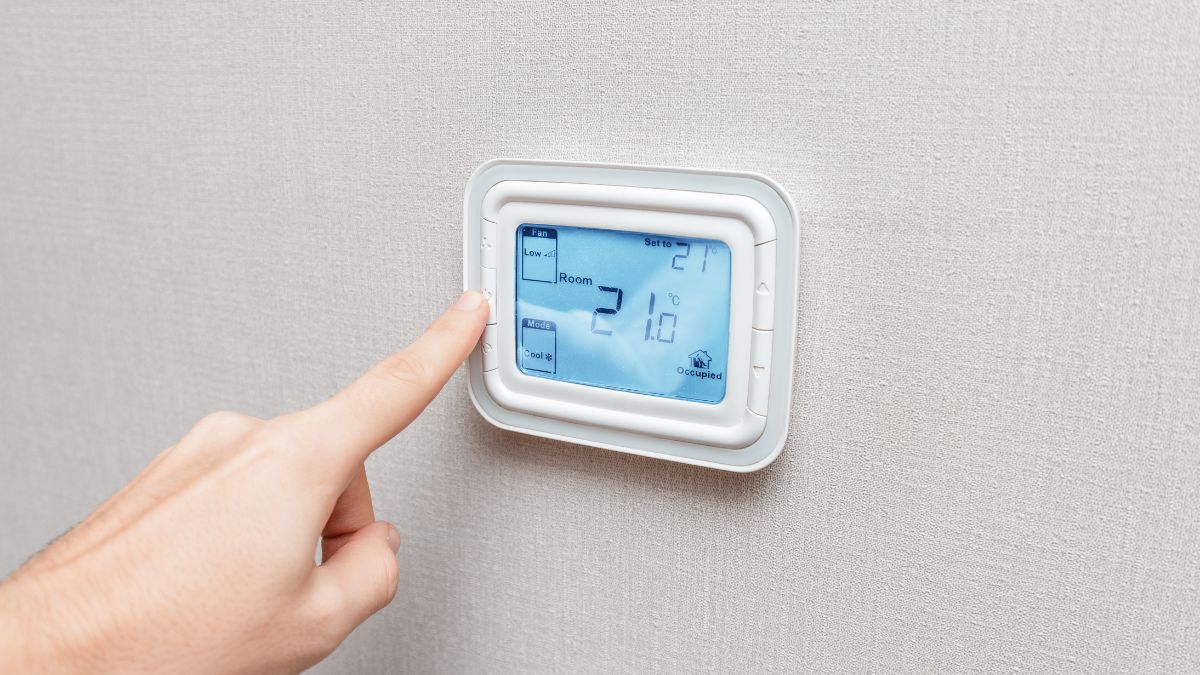
Moving furniture, adjusting the thermostat, or changing the TV channel without permission can come across as intrusive. Your host has set up their home the way they like it, and making changes without asking is disrespectful.
If you’re uncomfortable, such as being too hot or cold, politely ask if adjustments can be made. Avoid acting like the home is yours to control. Respecting their preferences shows you value their comfort as much as your own.
Forgetting to Say Thank You

Failing to express gratitude is one of the rudest things you can do as a guest. Whether it’s a simple visit, a meal, or an overnight stay, always thank your host for their hospitality. A heartfelt thank-you in person is essential, but you can also follow up with a text or note later.
Acknowledging their effort and kindness makes them feel appreciated. Even small gestures of gratitude go a long way in strengthening your relationship. Don’t let your visit end on a sour note by forgetting this basic courtesy.
d Mind

You always feel better when you feel organized. You feel better prepared, motivated and you can see everything you’ve accomplished in a day. Don’t you just love a productive day? We want to make life easier, right?
6 Easy Ways to Organize Your Life and Mind
Getting Motivated To Be Productive & Getting Motivated To Stay On Task

There are many ways to get motivated to be productive. Being more productive is good all around, but we live in a lazy world and it is so easy to not be productive, especially with so many distractions.
Getting Motivated To Be Productive & Getting Motivated To Stay On Task