15 Ways Your Decor Choices Can Boost Your Well-Being
Your home is more than just a place to live – it can have a profound impact on how you feel each day. The colors, furniture, and design elements you choose can either create a sense of peace or add stress to your environment. With thoughtful decor choices, you can turn your space into a haven that supports your physical, emotional, and mental well-being.
From color schemes to natural light, each detail plays a role in your overall mood and happiness. Here are 15 ways your decor choices can positively influence your well-being.
Choosing Soothing Colors
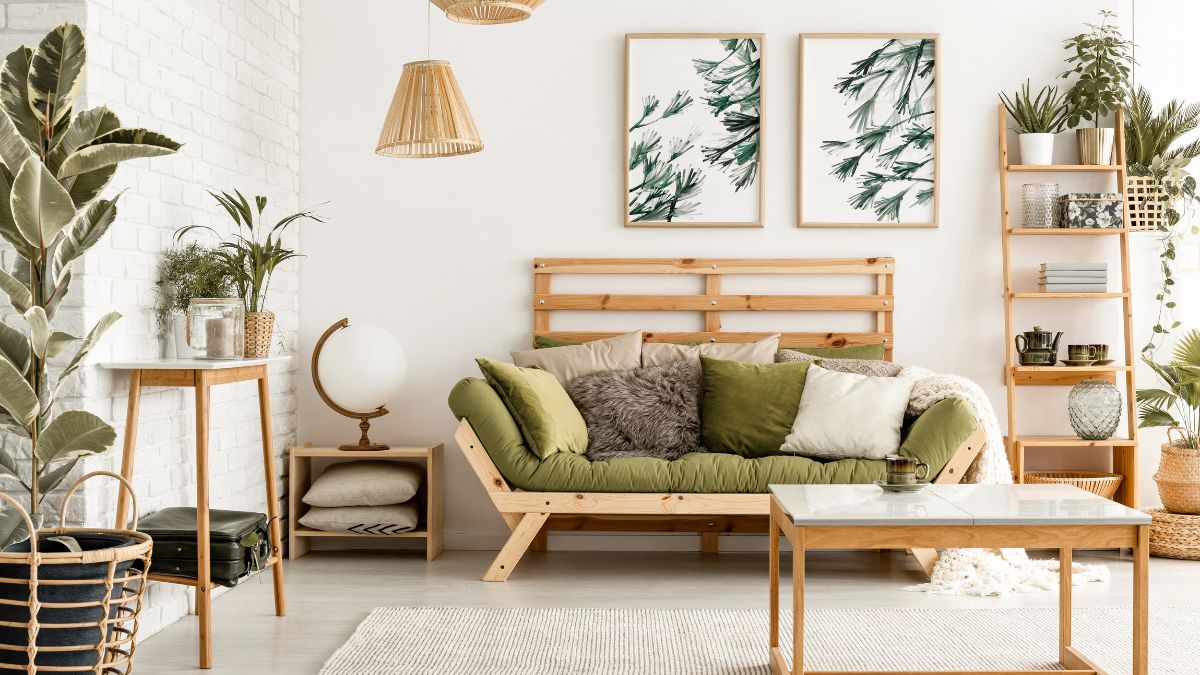
The colors in your home can directly affect your mood. Soft, calming shades like blues, greens, and pastels are known to reduce stress and promote relaxation. These colors create a peaceful atmosphere, perfect for unwinding after a long day.
On the other hand, bright, bold colors like red and orange can increase energy and excitement but may also cause tension if overused. A balanced color palette can help make your home a relaxing sanctuary.
Maximizing Natural Light
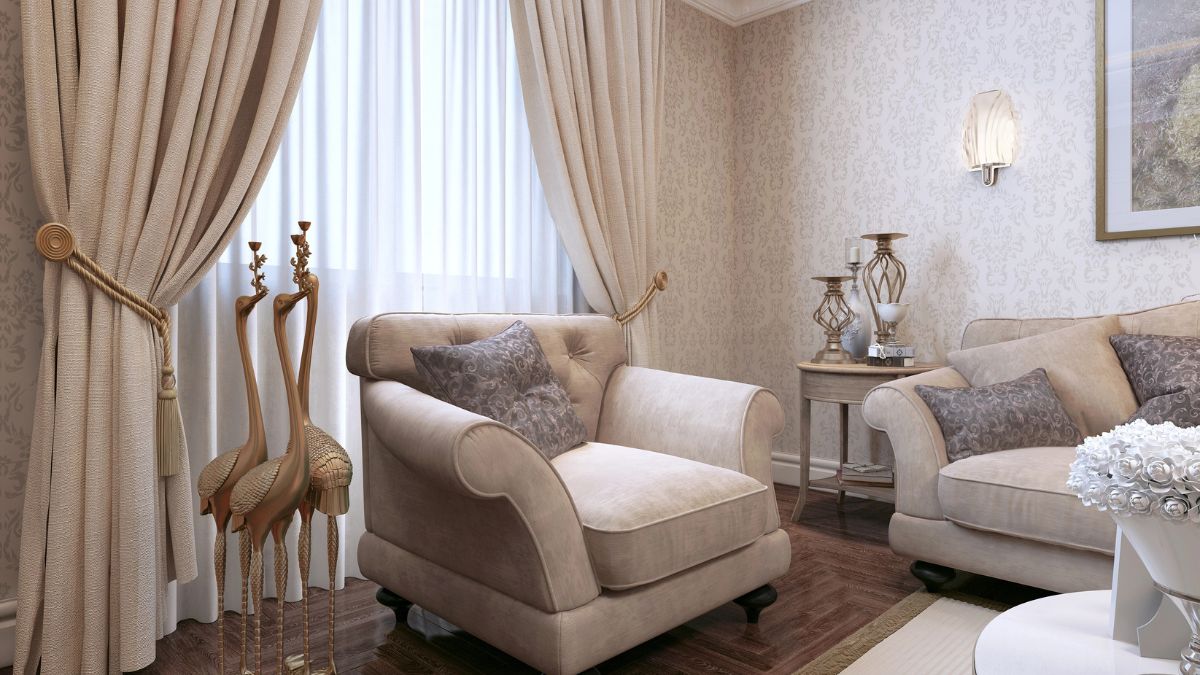
Natural light has a big impact on your well-being, boosting both mood and productivity. Homes with large windows that let in plenty of sunlight create a bright, airy feel that can improve your mental health.
Sunlight also helps regulate your sleep cycle by influencing melatonin levels, making it easier to fall asleep and wake up feeling refreshed. To enhance natural light, consider sheer curtains or strategically placed mirrors that reflect light throughout the room.
Incorporating Plants
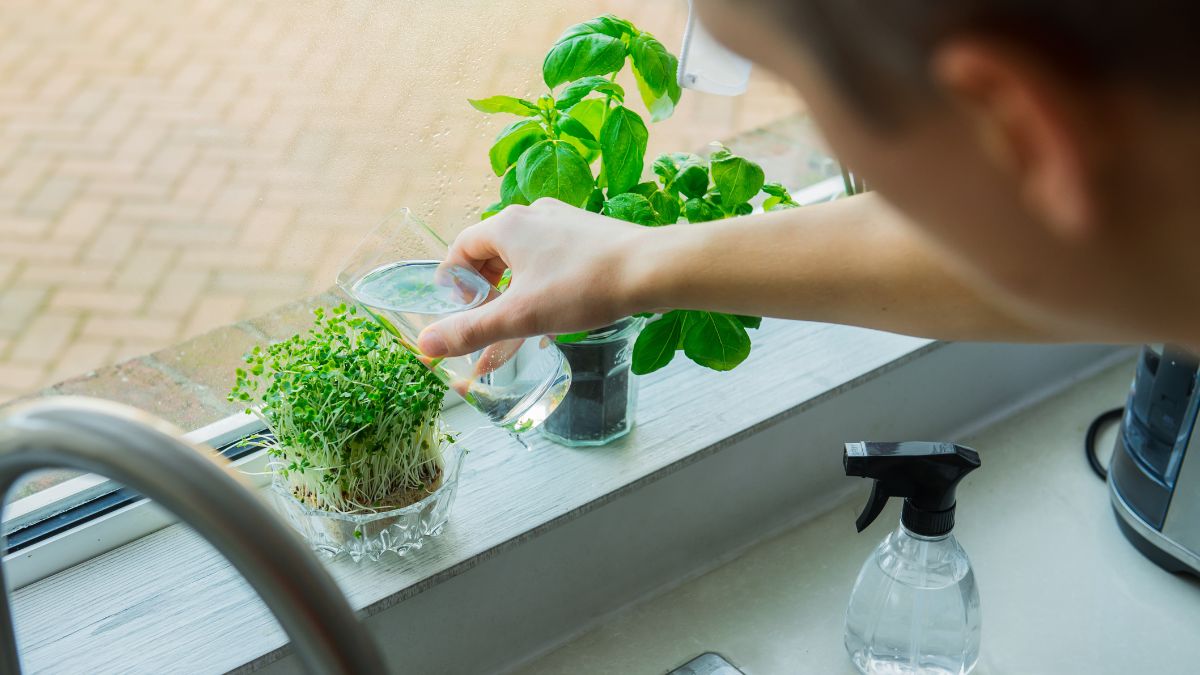
Indoor plants do more than add beauty to your home; they can improve air quality and promote relaxation. The presence of greenery can lower stress levels, improve focus, and create a sense of calm.
Plants like aloe vera, snake plants, and peace lilies are particularly effective at removing toxins from the air. A home filled with plants feels fresher, cleaner, and more inviting, contributing to better overall well-being.
Decluttering Your Space

Cluttered spaces can increase stress and anxiety, making it difficult to relax. A clutter-free home, on the other hand, promotes a sense of order and calm. By organizing your belongings and eliminating excess items, you create an environment that feels more peaceful and welcoming.
Clean, tidy spaces can also boost focus and creativity, helping you feel more productive and in control of your surroundings.
Using Comfortable Furniture
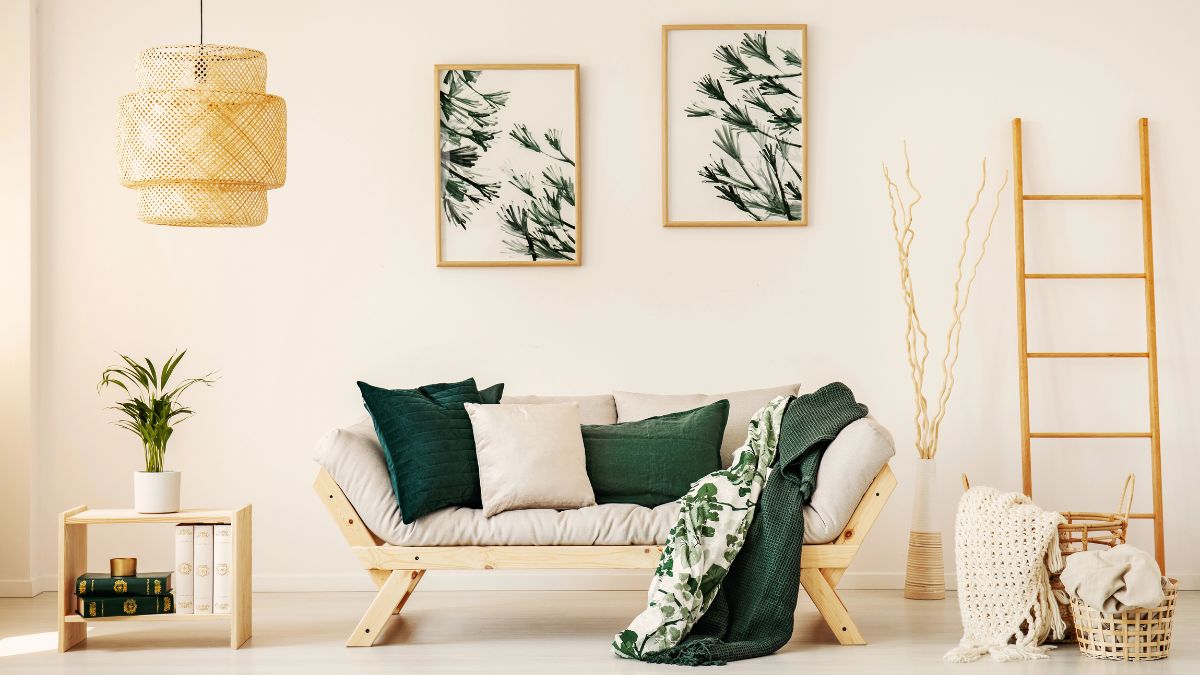
The furniture you choose can greatly influence your physical comfort and well-being. Sofas and chairs with good back support can prevent discomfort and help you relax more fully.
Investing in a comfortable mattress and ergonomic seating for work areas can also support your posture and reduce stress on your body. When your furniture is cozy and supportive, it’s easier to unwind and recharge.
Adding Personal Touches
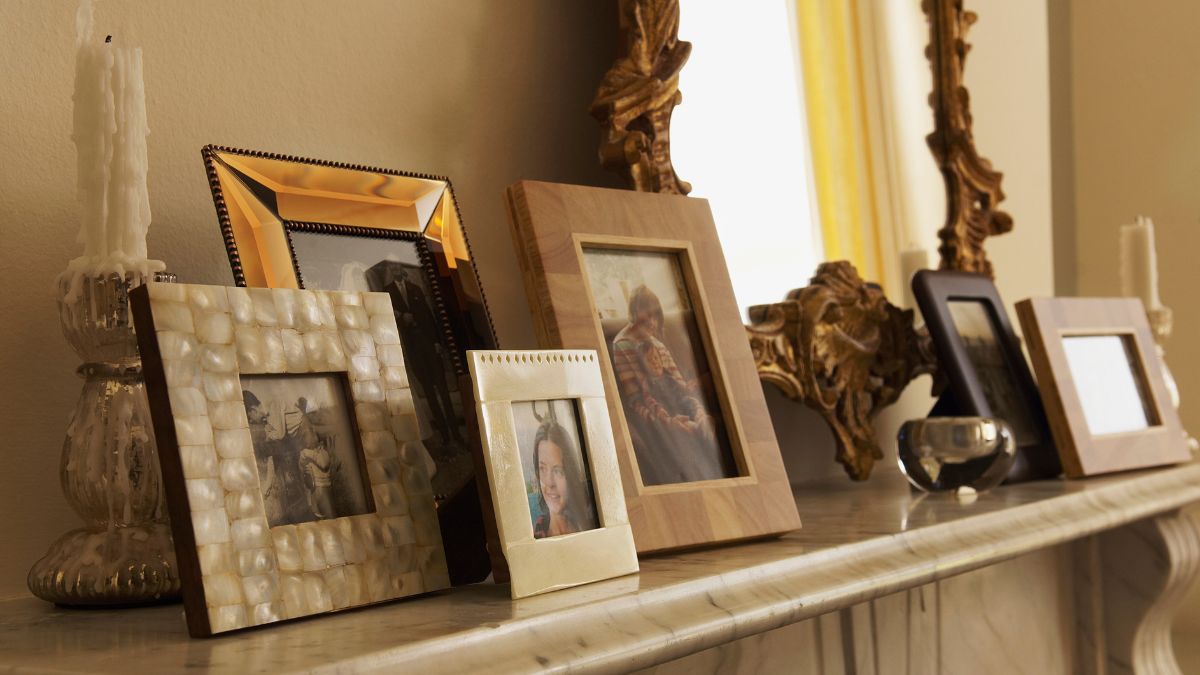
Personalizing your home with meaningful decor can boost your emotional well-being. Surrounding yourself with items that reflect your interests, hobbies, or memories can create a deeper connection to your space.
Whether it’s family photos, artwork, or souvenirs from your travels, personal touches make your home feel more like a retreat and can uplift your mood.
Choosing the Right Lighting
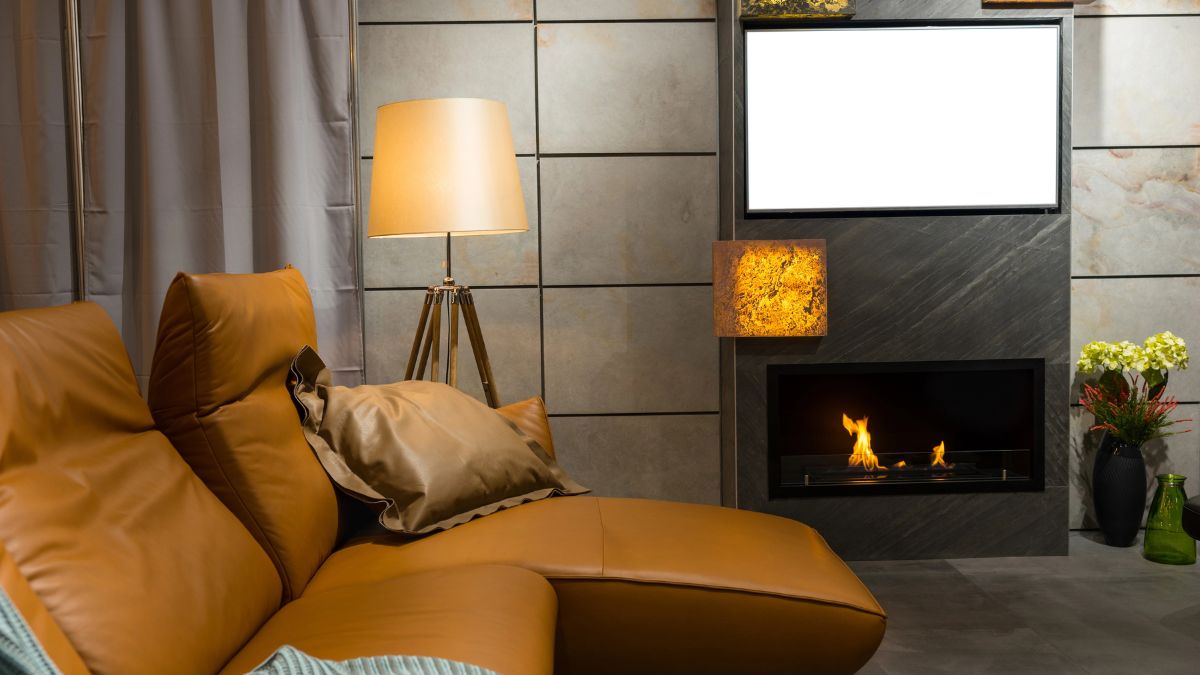
Lighting has a powerful impact on both mood and energy levels. Bright, harsh lighting can be overstimulating, while soft, warm lighting creates a more relaxing ambiance.
Layering different types of lighting, like overhead lights, table lamps, and candles, allows you to adjust the atmosphere based on your needs. Dimmable lighting is especially useful for creating a soothing evening environment, promoting better relaxation and sleep.
Embracing Minimalism
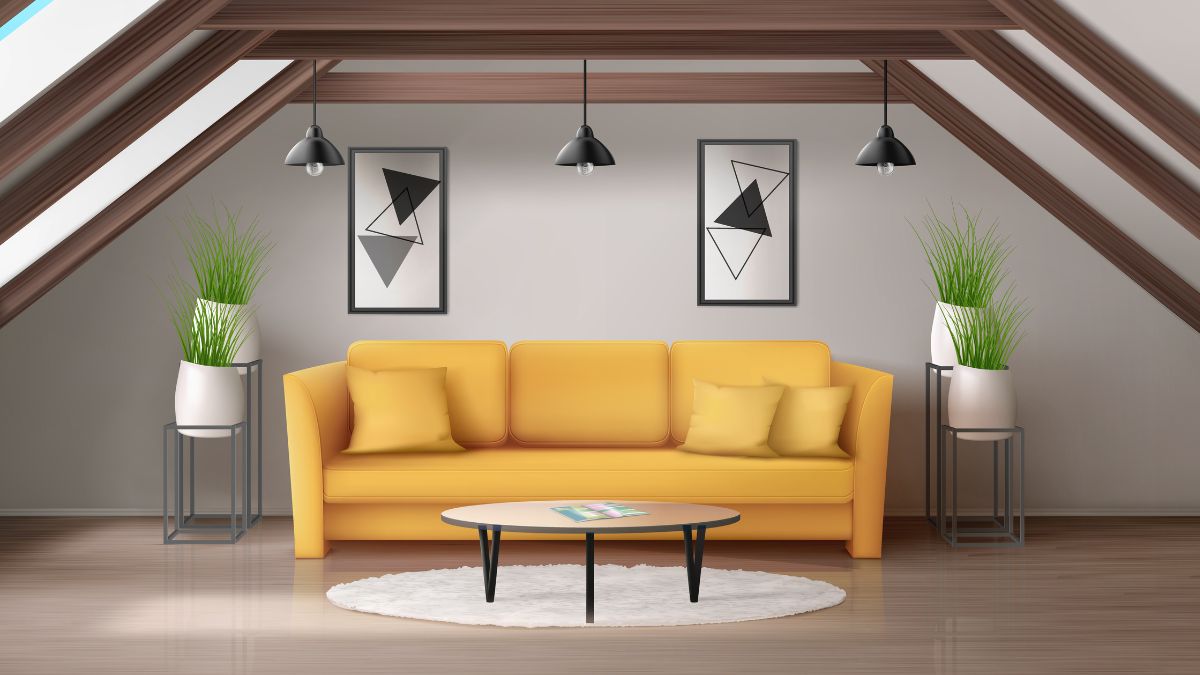
Minimalist decor can create a calm, uncluttered space that promotes mental clarity and focus. A minimalist approach involves choosing fewer, high-quality items and focusing on functionality.
This style encourages simplicity and mindfulness, helping you feel more grounded and less overwhelmed by your surroundings. A minimalistic home feels more open and serene, making it easier to relax and unwind.
Incorporating Natural Materials
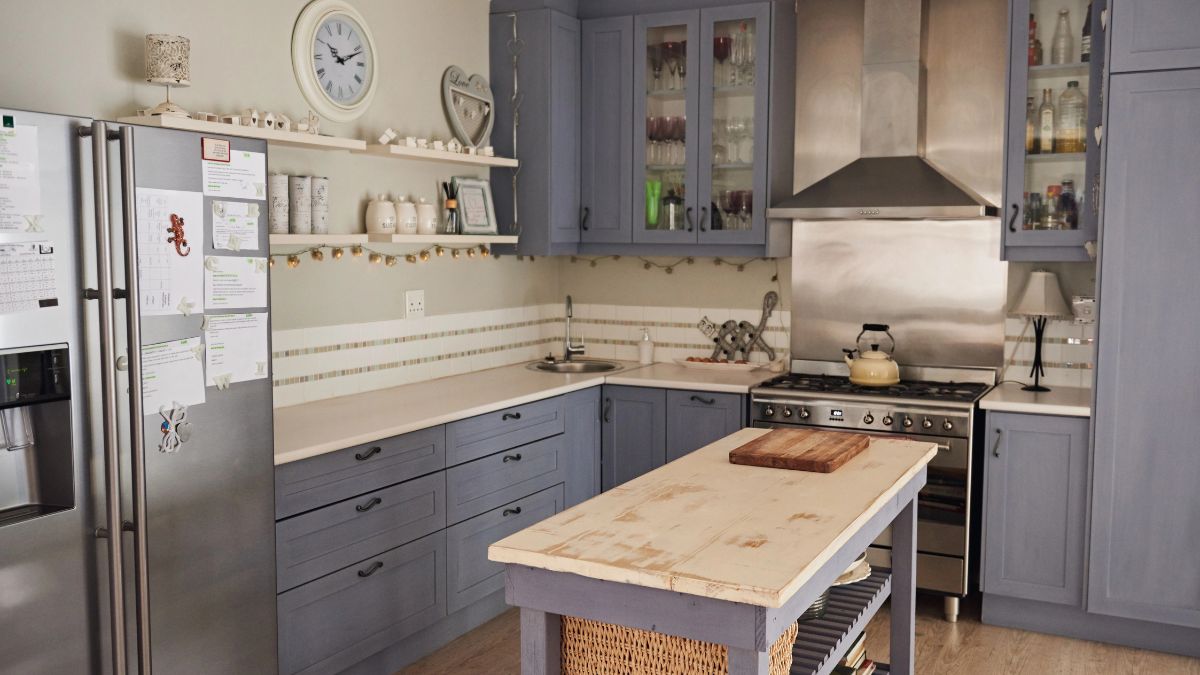
Natural materials like wood, stone, and cotton can help create a more grounded and peaceful environment. These materials have a calming effect and connect you to nature, which is known to reduce stress and enhance well-being.
Items like wooden furniture, stone accents, and organic textiles can make your home feel warmer and more inviting. Using natural materials also supports sustainability, which can give you peace of mind.
Creating Cozy Spaces

Designing cozy, intimate spaces within your home can enhance your sense of comfort and security. Whether it’s a reading nook, a corner with plush pillows, or a space with a soft throw blanket, having areas dedicated to relaxation can improve your emotional well-being.
These cozy spots offer a place to unwind, read, or meditate, helping you recharge and reduce stress.
Using Scents to Influence Mood

Aromas have a direct connection to your mood and emotional state. Incorporating calming scents like lavender, vanilla, or eucalyptus can promote relaxation and reduce anxiety.
Scented candles, essential oil diffusers, or fresh flowers can infuse your space with a pleasant aroma that lifts your spirits. A home that smells good feels more inviting and can instantly improve your mood.
Balancing Space with Open Layouts
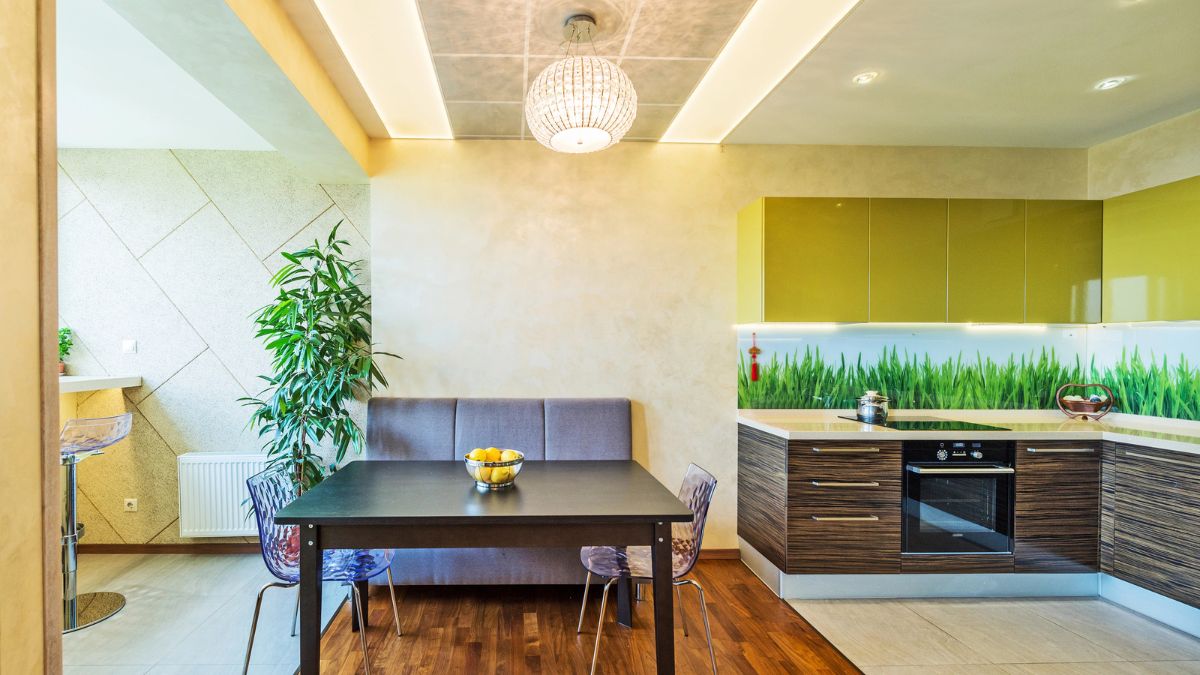
An open, spacious layout can create a sense of freedom and reduce feelings of being cramped or confined. Homes with too much furniture or limited walking space can feel overwhelming and stressful.
By creating an open floor plan or removing unnecessary barriers, you can foster a sense of flow and movement. This can help you feel more relaxed and less restricted in your home environment.
Choosing Artwork that Inspires
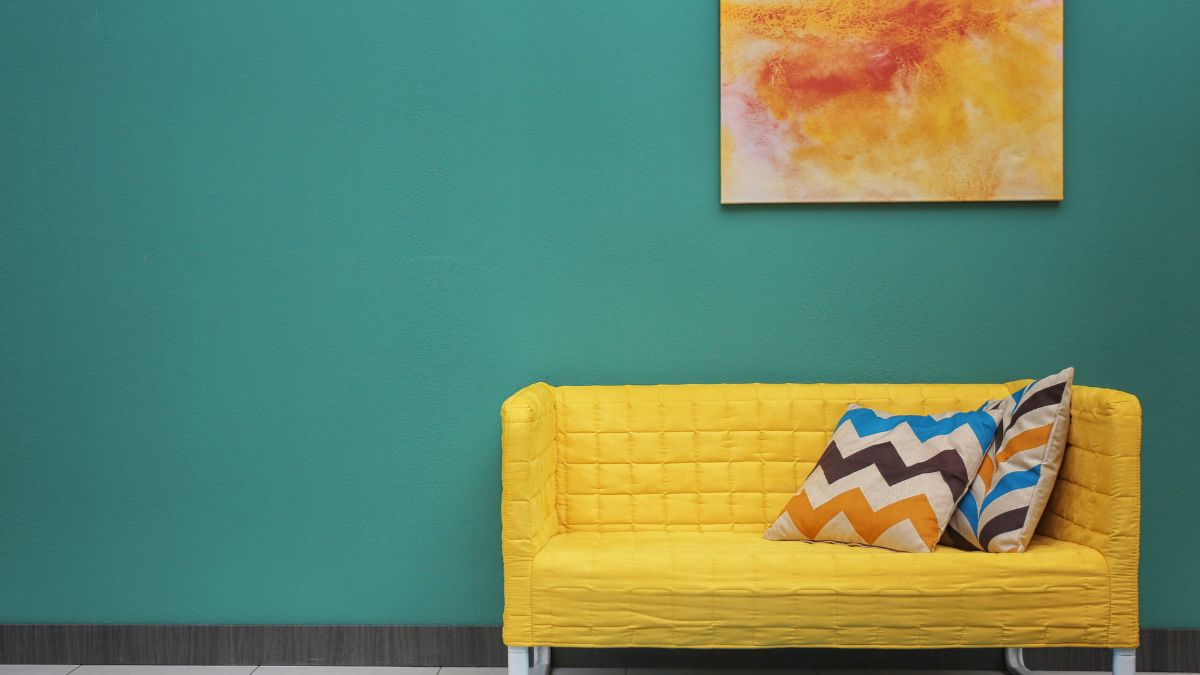
Artwork can have a profound impact on your mental and emotional state. Choosing pieces that inspire or calm you can enhance your well-being.
Whether it’s abstract art that stimulates creativity or serene landscapes that promote peace, artwork helps set the tone for your space. Surrounding yourself with art that resonates with you can uplift your mood and make your home feel more personal.
Incorporating Sound for Relaxation

The sounds in your home can either help or hinder your relaxation. Playing soft music, nature sounds, or white noise can create a soothing background that promotes calm.
A quiet home free from harsh or distracting noises helps you focus and reduces stress. Investing in sound machines or using apps to play relaxing sounds can enhance your overall well-being.
Using Textures to Create Comfort

The textures in your home, from soft rugs to cozy blankets, can greatly affect your sense of comfort. Soft, tactile materials encourage relaxation and make your home feel more inviting.
Whether it’s a plush carpet underfoot or a velvet throw on the couch, adding layers of texture can make your space feel cozier and more luxurious. Comforting textures help create a warm, nurturing environment that supports emotional well-being.
15 Clever Hacks To Reduce That Never-Ending Grocery Bill

Managing grocery expenses can be challenging for many households, especially with rising food costs and fluctuating budgets.
However, with some creativity and resourcefulness, you can implement numerous clever hacks to reduce your never-ending grocery bill without sacrificing the quality or variety of your meals.
15 Clever Hacks To Reduce That Never-Ending Grocery Bill
20 Frugal Habits You’ve Probably Never Thought of

Being frugal is more than just cutting back on expenses; it’s about adopting smart habits that help you save money and live more intentionally. While you may already be familiar with some standard frugal practices, many lesser-known habits can further stretch your budget and improve your financial well-being.