The Importance of Teaching Kids About Responsible Animal Care
Teaching kids about responsible animal care is more than just showing them how to feed a pet—it’s about instilling values of empathy, respect, and responsibility. Children who grow up understanding the importance of caring for animals learn important life skills beyond their relationship with pets. It teaches them how to care for others, respect living beings, and develop a sense of stewardship toward the environment. Plus, learning to care for animals can positively impact a child’s emotional well-being and self-esteem. Whether your family has pets or not, lessons in responsible animal care can be applied to how children interact with wildlife, farm animals, and even the pets of others. And let’s be real, it’s also just a lot of fun to teach kids how to properly love and nurture a furry (or not-so-furry) friend! From learning how to groom a dog to understanding why we shouldn’t disturb wildlife, these lessons can have a lifelong impact.
Develops Empathy

Caring for animals helps children develop empathy by putting them in the role of caregiver. They begin to understand that animals have needs and feelings, which fosters compassion and kindness. This sense of empathy can extend into their interactions with humans, too.
Teaches Responsibility

When kids are tasked with feeding, grooming, or cleaning up after a pet, they learn the importance of responsibility. Caring for animals requires commitment and routine, helping kids understand that living beings rely on them. It’s a powerful lesson in accountability.
Encourages Patience

Animals don’t always cooperate on command, and that’s a good thing for kids to experience! Whether training a pet or simply waiting for them to eat, children learn that patience is a key part of responsible animal care. This skill can help them in many other aspects of life.
Builds Self-Confidence

Successfully caring for an animal boosts a child’s confidence. Knowing that they’ve contributed to an animal’s well-being makes them feel capable and proud of their accomplishments. This sense of achievement can also build a positive self-image.
Fosters Respect for Nature

Teaching kids how to care for animals properly can expand into broader lessons about respecting nature. They begin to see animals as part of the larger ecosystem and learn the importance of caring for all living things. This respect for nature often translates into eco-friendly habits.
Teaches Healthy Boundaries

Kids need to learn that animals, like people, have boundaries. It is important to teach them when it’s appropriate to approach an animal, how to read a pet’s body language, and why some animals don’t like to be touched for the child’s safety and well-being.
Promotes Physical Activity

Taking a dog for a walk or playing with a pet can keep kids active. These activities promote exercise and encourage kids to spend more time outdoors. Physical activity through pet care is a fun and natural way to get moving.
Reduces Stress and Anxiety

Interacting with animals has been shown to reduce stress and anxiety in both children and adults. Teaching kids to care for animals can create a calming, therapeutic experience that helps them manage their emotions. Pets can become trusted companions that provide comfort.
Improves Social Skills
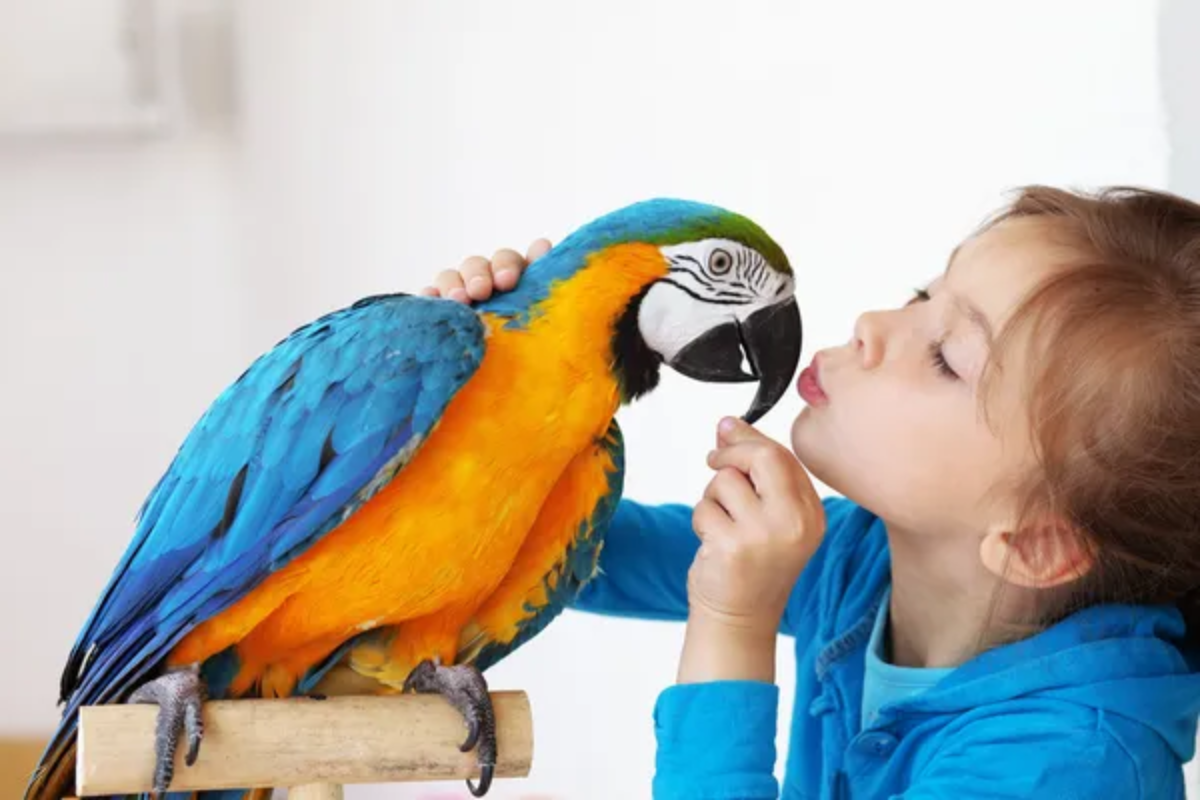
Caring for a pet can improve a child’s social skills, especially when it comes to communicating the needs of an animal to others. Kids learn to articulate when their pet needs food, water, or a bathroom break, and this advocacy translates into better communication skills with people.
Encourages Routine and Structure

Caring for an animal requires a daily routine, whether it’s feeding, walking, or cleaning up after them. This sense of structure helps kids understand the importance of routines in their own lives, from doing homework to completing chores.
Educates About Animal Welfare
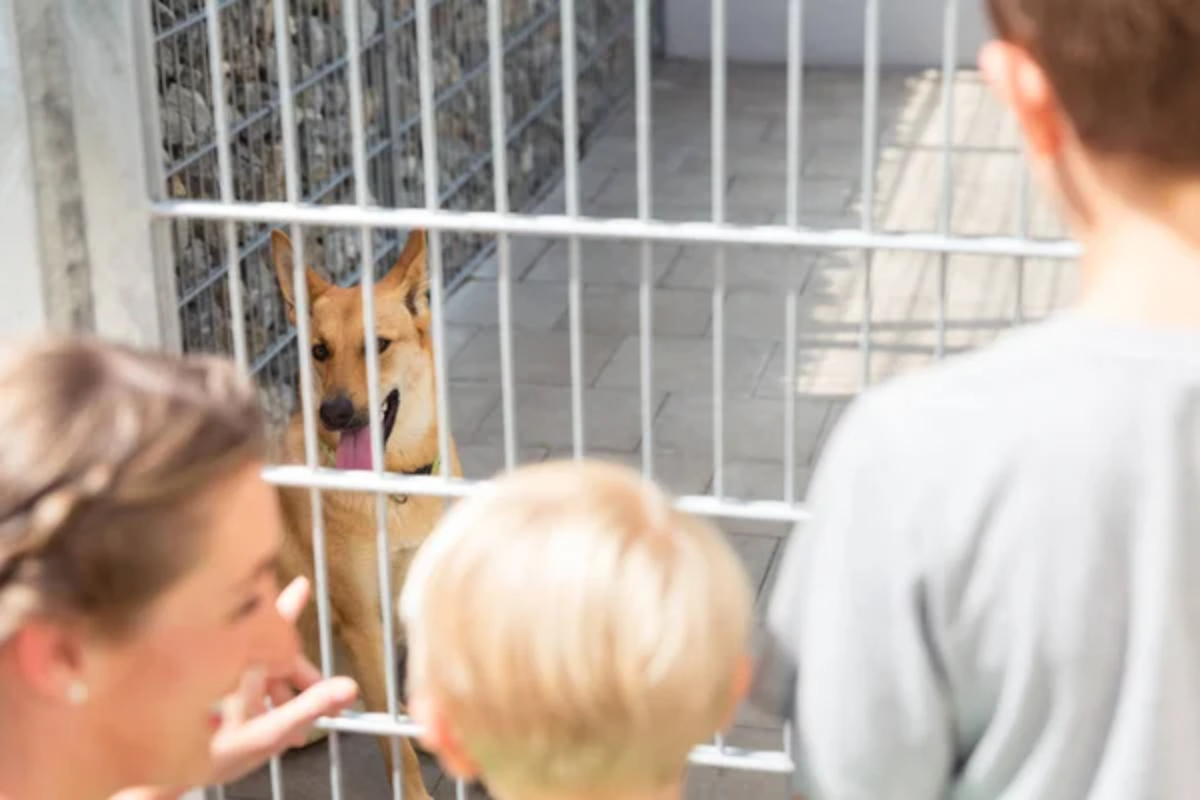
Teaching kids about responsible animal care is also an opportunity to discuss animal welfare. Kids can learn about animal shelters, adoption, and the importance of treating all animals ethically. These lessons help them develop a sense of social responsibility.
Inspires Future Careers

Exposure to responsible animal care at a young age can spark an interest in animal-related careers. Whether it’s becoming a veterinarian, a zookeeper, or an animal rights advocate, learning about animals early on can inspire a lifelong passion for working with them.
Sense of Gratitude

Kids who take care of animals often develop a deep sense of gratitude for their pets. They appreciate the companionship and joy that animals bring into their lives. This feeling of gratitude helps them recognize the importance of taking care of others, both animals and people.
Teaches Respect for Other People’s Pets
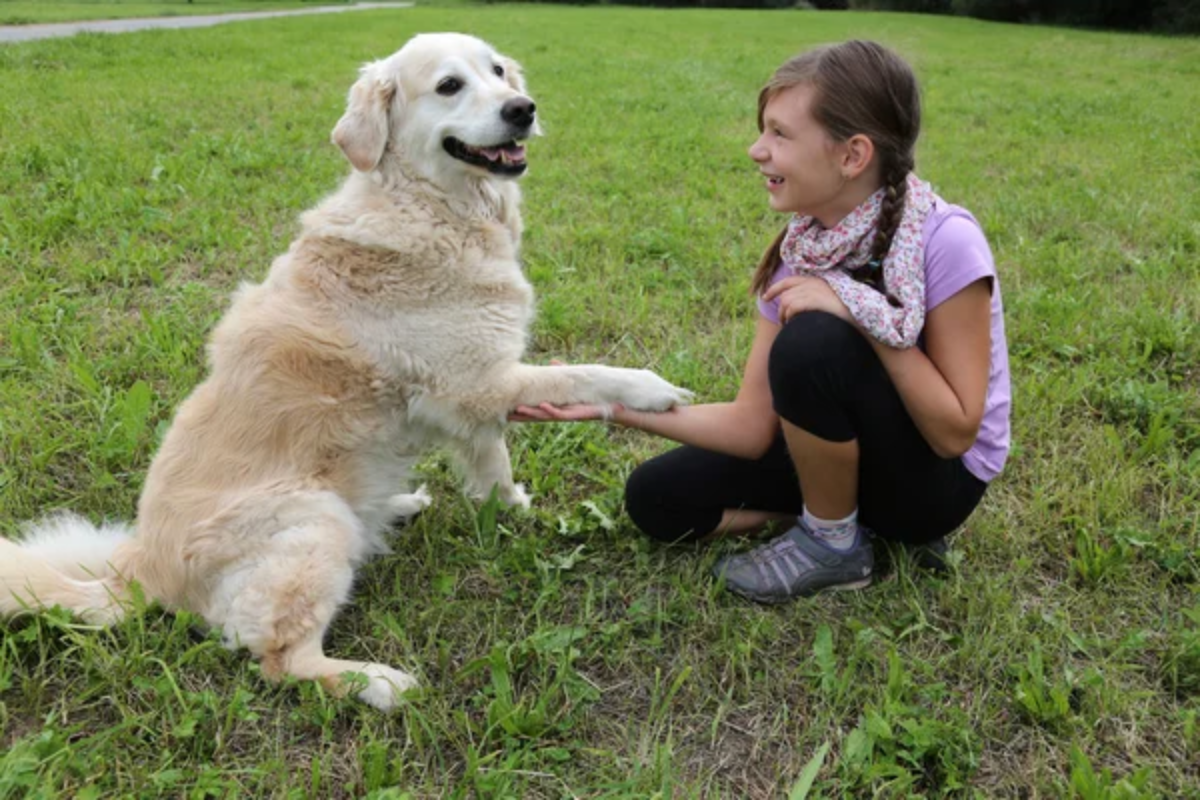
Knowing how to care for animals also helps kids understand how to interact with other people’s pets. They learn not to approach animals without permission and understand that not all animals are friendly. These skills are essential for safe and respectful interactions.
Promotes Lifelong Compassion

Perhaps most importantly, teaching kids about responsible animal care instills a sense of compassion that can last a lifetime. Children who grow up caring for animals are more likely to be kind, considerate, and empathetic adults. This compassion extends beyond animals and can positively shape their relationships with people as well.
15 Clever Hacks To Reduce That Never-Ending Grocery Bill

Managing grocery expenses can be challenging for many households, especially with rising food costs and fluctuating budgets.
However, with some creativity and resourcefulness, you can implement numerous clever hacks to reduce your never-ending grocery bill without sacrificing the quality or variety of your meals.
15 Clever Hacks To Reduce That Never-Ending Grocery Bill
20 Frugal Habits You’ve Probably Never Thought of

Being frugal is more than just cutting back on expenses; it’s about adopting smart habits that help you save money and live more intentionally. While you may already be familiar with some standard frugal practices, many lesser-known habits can further stretch your budget and improve your financial well-being.