Everything You Need to Know About Hydrangeas: Types, Care Tips, & Faux Options
Hydrangeas have a way of capturing attention without trying too hard. Their full, cloud-like blooms and soft color palettes make them a favorite in gardens, homes, and event spaces alike. These flowers carry a timeless appeal that fits seamlessly into modern lifestyles.
This guide breaks down everything you need to know about hydrangeas, from their different varieties to practical care tips and creative ways to use them in everyday decor. If you’re considering adding them to your space (indoors or out), this article will give you the clarity you need to make informed choices.
Understanding the Different Types of Hydrangeas
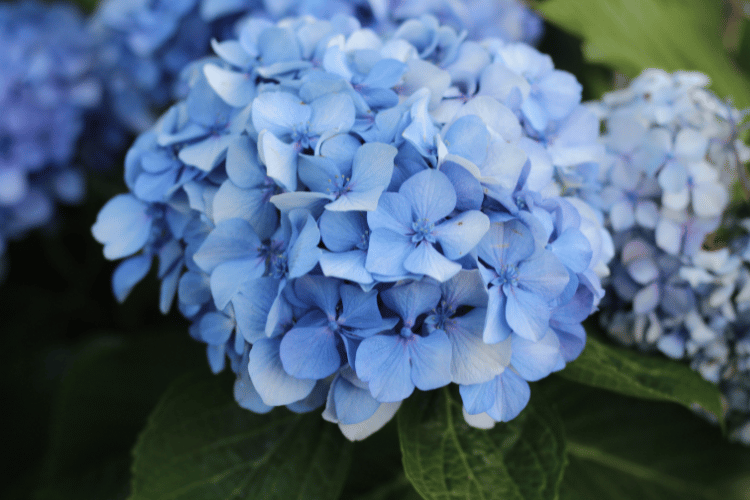
Not all hydrangeas are the same, and knowing the differences can help you choose the right one for your needs. While they share a similar structure, each variety offers a unique look and growing preference.
Here are the most common types:
- Bigleaf Hydrangeas (Hydrangea macrophylla): Known for their large, rounded blooms. These can change color depending on soil pH, ranging from blue to pink.
- Panicle Hydrangeas (Hydrangea paniculata): These have cone-shaped flower clusters and are more tolerant of different climates.
- Smooth Hydrangeas (Hydrangea arborescens): Often recognized for their soft white blooms, they’re easy to grow and maintain.
- Oakleaf Hydrangeas (Hydrangea quercifolia): Named for their oak-shaped leaves, they add visual interest even when not in bloom.
Each type serves a different purpose. Some thrive in gardens, while others are better suited for decorative arrangements. Choosing the right ones depends on how you plan to use them.
How to Care for Hydrangeas at Home
Hydrangeas are relatively low-maintenance, but they do have specific needs that influence how well they grow and bloom. Understanding these basics can make a noticeable difference.
Light Requirements
Most hydrangeas prefer morning sun and afternoon shade. Too much direct sunlight can cause the blooms to wilt, while too little light may limit flowering.
Watering
Hydrangeas need consistent moisture. Dry soil can quickly lead to drooping leaves, so regular watering is essential – especially during warmer months.
Soil Conditions
Well-draining soil is key. For those growing bigleaf hydrangeas, soil pH also affects bloom color:
- Acidic soil produces blue flowers
- Alkaline soil leads to pink blooms
Pruning
Pruning depends on the variety. Some bloom on old wood, while others grow on new wood. Cutting at the wrong time can reduce flowering for the next season.
For those who enjoy the look of hydrangeas but prefer a simpler approach, decorative alternatives can offer the same visual impact without the upkeep. This is where brands like Jamali Garden come into the conversation, especially for those styling interiors or events.
Creative Ways to Use Hydrangeas in Home Decor
Hydrangeas are incredibly versatile when it comes to styling. Their full shape and soft texture make them ideal for creating a polished yet relaxed aesthetic.
Here are a few ways to incorporate them into your space:
- Centerpieces: A simple arrangement of hydrangeas can transform a dining table or coffee table.
- Entryway Displays: Placing a vase of hydrangeas near your entrance creates an inviting first impression.
- Bedroom Accents: Soft-colored blooms can add a calming touch to bedside tables or dressers.
- Seasonal Styling: Hydrangeas transition well across seasons, especially when paired with complementary elements like candles or greenery.
For those who want consistent beauty without worrying about maintenance, many decorators turn to high-quality artificial options. For example, sourcing artificial hydrangeas in bulk can be a practical solution for event planners or anyone designing multiple spaces. Jamali Garden offers options that maintain the natural look of real blooms while providing long-term usability.
This approach is particularly useful in environments where fresh flowers may not be sustainable, such as offices, venues, or high-traffic areas.
Fresh vs. Artificial Hydrangeas: What to Consider
Choosing between fresh and artificial hydrangeas depends on your priorities. Both have their place, and understanding the differences can help you decide.
Fresh Hydrangeas
Pros:
- Natural fragrance
- Organic appearance
- Seasonal authenticity
Cons:
- Short lifespan
- Requires maintenance
- Sensitive to environmental conditions
Artificial Hydrangeas
Pros:
- Long-lasting
- No watering or pruning
- Consistent appearance year-round
Cons:
- No natural scent
- Initial cost can be higher for premium quality
For lifestyle-focused spaces, artificial hydrangeas often provide flexibility. They allow you to maintain a polished look without ongoing care, which is especially helpful in busy households or commercial settings.
Tips for Keeping Hydrangeas Looking Their Best
Whether you choose fresh or artificial, a few thoughtful practices can help you get the most out of your hydrangeas.
For Fresh Hydrangeas:
- Trim stems at an angle before placing them in water
- Change water every two days
- Keep them away from direct heat sources
- Mist petals lightly to maintain hydration
For Artificial Hydrangeas:
- Dust regularly to maintain a clean appearance
- Store properly when not in use
- Rotate arrangements occasionally to keep styling fresh
Even small adjustments can extend the life and visual appeal of your arrangements.
Why Hydrangeas Continue to Be a Lifestyle Favorite
Hydrangeas have remained popular for a reason. They strike a balance between elegance and accessibility, making them suitable for both casual and refined settings. Their ability to adapt – whether in a garden bed or a carefully curated interior – keeps them relevant across trends.
They also offer creative freedom. You can style them minimally or build them into more elaborate arrangements, depending on your personal taste. That flexibility makes them a reliable choice for anyone looking to enhance their environment without overcomplicating the process.
Conclusion
Hydrangeas offer more than just visual appeal – they provide versatility, adaptability, and a sense of effortless style. From understanding the different varieties to choosing between fresh and artificial options, there are many ways to incorporate them into your daily life.
If you enjoy hands-on gardening, growing hydrangeas can be a rewarding experience. If you prefer a low-maintenance approach, decorative alternatives can deliver the same aesthetic without the effort. The key is to choose what aligns with your lifestyle and space.
With the right approach, hydrangeas can become a consistent and beautiful feature in your home, no matter the season or setting.