From Studio to Living Room: Designing Spaces That Inspire Creativity
Creativity depends on the environment. The way a space feels, functions, and flows can either support focus or quietly disrupt it. For musicians refining a track, photographers editing late into the night, or designers sketching new ideas, the home studio is now central to the creative process.
This guide explores how to design a home environment that actively supports creativity and productivity. From layout decisions to sensory details, each element plays a role in shaping how effectively you work and how inspired you feel while doing it.
Start With Purpose, Not Aesthetics
Before choosing furniture or colour palettes, define how you’ll use the space. A musician needs acoustic awareness, while a photographer prioritises lighting control. A designer may require a flexible desk setup that supports both digital and physical work.
Start by asking practical questions:
- What tasks will you perform daily?
- How much equipment do you need within arm’s reach?
- Do you require a quiet, isolated, or collaborative space?
Design decisions should follow these answers. A visually appealing room that doesn’t support workflow quickly becomes frustrating. Function anchors creativity. Once that foundation is clear, aesthetics can enhance rather than distract.
Comfort and Temperature: The Overlooked Productivity Drivers
Physical comfort directly affects creative output. If you are too cold, too warm, or constantly adjusting your environment, your focus suffers.
Temperature control is often underestimated in home studios. Creative work can require long, uninterrupted sessions, and maintaining a consistent, comfortable climate helps sustain concentration.
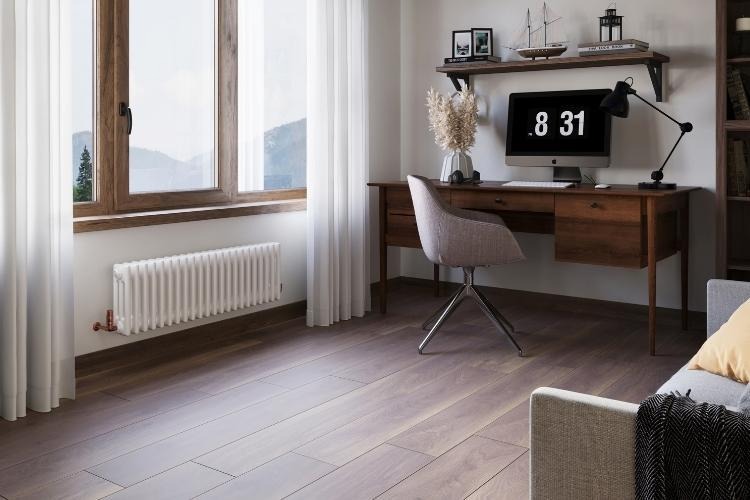
Thoughtful heating solutions can contribute to both comfort and design. For example, incorporating stylish options from UK Radiators allows creatives to balance practicality with visual appeal. Many professionals now consider how musicians, photographers, and designers can craft inspiring home environments with designer radiators, using options like ukradiators.com/collections/designer-radiators to integrate warmth without compromising the look of the space.
The key is subtlety. Heating should support the environment, not dominate it. When done well, it becomes part of the overall design language
Layout That Supports Flow
A well-planned layout reduces friction. You should move naturally between tasks without constant adjustment or interruption.
Position key tools within easy reach. Keep frequently used items visible and accessible. If you switch between activities, create defined zones. For example, separate your editing station from your recording or brainstorming area.
Pay attention to how you enter and exit the space. A cluttered entry can subconsciously signal stress, while a clean, intentional setup encourages focus from the moment you walk in.
Good layout design is about removing unnecessary obstacles so your attention stays on the work.
Lighting Shapes Mood and Output
Lighting influences both the quality of work and the mental state of the person creating it. Natural light is ideal where possible. It reduces eye strain and creates a more dynamic atmosphere throughout the day.
However, natural light alone is rarely enough. Layered lighting provides control:
- Task lighting for focused work
- Ambient lighting for general visibility
- Accent lighting to shape mood
For photographers and visual designers, colour accuracy matters. Neutral lighting helps maintain consistency. For musicians, softer lighting can create a more immersive environment that supports longer sessions.
Avoid harsh overhead lights as the only source. They flatten the space and can feel clinical. Instead, build a lighting setup that adapts to your workflow.
Sound, Texture, and Sensory Balance
Creative spaces are both visual and sensory environments.
Sound plays a major role. Musicians need acoustic treatment, but even non-audio creatives benefit from reduced echo and background noise. Soft furnishings, rugs, and wall panels can help control sound while adding texture.
Texture itself contributes to comfort. A mix of materials such as wood, fabric, and metal creates a balanced environment that feels intentional rather than sterile.
Scent and air quality also matter more than many realise. Fresh air and subtle scents can improve focus and reduce fatigue during long sessions.
The goal isn’t to overload the senses but to create a space that feels stable and supportive.
Personalisation Without Clutter
Creative work thrives in spaces that feel personal. However, there’s a fine line between inspiration and distraction.
Choose a few meaningful items rather than filling every surface. Artwork, instruments, or reference materials can act as visual prompts without overwhelming the space.
Rotate elements if needed. Keeping the environment slightly dynamic can prevent creative stagnation without introducing chaos.
When integrating design features such as heating elements, brands like UK Radiators offer options that align with modern interiors, allowing functional pieces to double as design statements without adding clutter.
Flexibility for Evolving Work
Creative needs change over time. A setup that works today may not suit your workflow in six months.
Design with flexibility in mind:
- Use modular furniture where possible
- Keep cable management adaptable
- Avoid overly fixed layouts
This approach allows the space to grow with your work. It also reduces the need for complete redesigns when your creative direction shifts.
A flexible environment supports experimentation, which is essential for any creative discipline.
Designing a home studio is about building a space that aligns with how you think, work, and create. When layout supports flow, lighting shapes mood, and comfort remains consistent, creativity becomes easier to access. Small details such as temperature control, sound balance, and thoughtful personalisation contribute to a space that works with you rather than against you.
As creative work continues to move into the home, the environments we build will play an even greater role in shaping output. A well-designed space doesn’t just hold your tools. It actively supports your ideas, helping them move from concept to completion with less resistance and more clarity.