How Shared Apartments Are Shaping the Next Wave of Independent Musicians
Across cities known for their creative energy, shared apartments are becoming hubs where independent musicians live, create, and grow together. These living arrangements are influencing how music is made and even discovered.
As housing costs rise and creative communities become more interconnected, shared living spaces are helping musicians build support systems that extend beyond music itself. From spontaneous jam sessions in living rooms to late-night songwriting collaborations, these environments are fostering a new kind of artistic independence, one rooted in community rather than isolation.
The Rise of Creative Co-Living
For independent musicians, affordability has always been a challenge. Studio time, instruments, and promotion all require financial investment, leaving less room in the budget for expensive solo living. Shared apartments offer a practical solution while also opening the door to unexpected creative opportunities.
Living with others who share similar goals or creative interests can reshape daily routines. Instead of working in isolation, musicians find themselves surrounded by inspiration. A guitarist might overhear a vocalist practicing in another room and offer to collaborate. A producer might test a new beat with housemates before releasing it publicly. These organic interactions can lead to projects that might never have happened otherwise.
In many ways, shared apartments act as informal incubators. They provide the kind of creative friction that pushes artists to experiment, refine their craft, and stay motivated.
Collaboration Happens Naturally at Home
One of the most significant advantages of shared living for musicians is how easily collaboration fits into everyday life. Unlike scheduled studio sessions, shared apartments allow creativity to happen spontaneously.
A casual conversation in the kitchen can turn into a songwriting session. Someone experimenting with a melody in their bedroom might invite others to contribute. These low-pressure moments often lead to authentic and original work.
Shared spaces also reduce the barriers to feedback. Instead of waiting for external opinions, musicians can get immediate input from people they trust. This constant exchange of ideas helps refine sound and performance techniques in real time.
Beyond music itself, housemates often support each other in practical ways. They may help with recording, filming content, or even promoting each other’s work online. This kind of built-in support network can make a significant difference, especially for artists navigating the early stages of their careers.
Balancing Creativity With Practical Living
While shared apartments offer clear creative benefits, they also require a level of balance. Musicians often have unconventional schedules, which can clash with the routines of others. Late-night rehearsals, recording sessions, or gigs can create tension if expectations are not clearly communicated.
Successful shared living arrangements tend to rely on mutual respect and clear boundaries. Setting guidelines around noise levels, shared spaces, and quiet hours helps maintain harmony. At the same time, flexibility is key. Creative work does not always follow a strict schedule, and housemates who understand this dynamic are more likely to thrive together.
Finding the right living situation plays a crucial role here. Platforms like SpareRoom make it easier to connect with people who share similar lifestyles and priorities. For musicians relocating to vibrant music scenes, being able to search for roommates in Austin or other creative cities can help them find housemates who understand the demands of artistic work.
Shared Spaces as Creative Studios
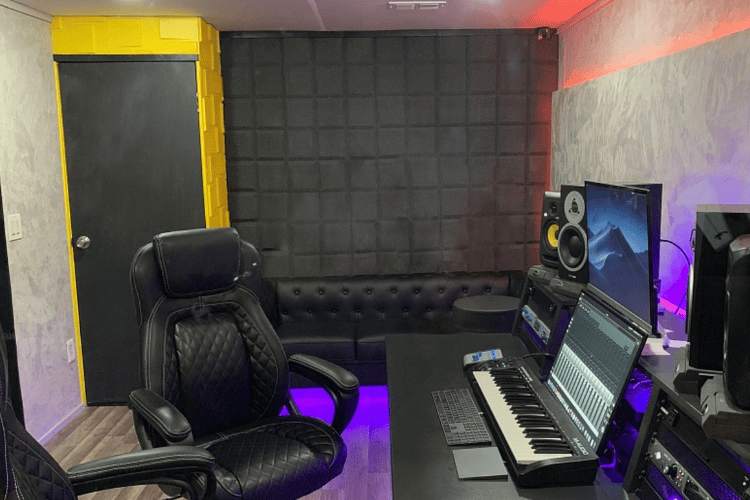
In many shared apartments, traditional living areas are being reimagined. Living rooms double as rehearsal spaces. Bedrooms become recording studios. Even small corners can turn into songwriting nooks.
This flexibility allows musicians to create without the need for expensive external studios. While professional recording spaces still have their place, having a home setup encourages experimentation. Artists can test ideas freely without worrying about time constraints or costs.
These environments also encourage resource sharing. One housemate might own recording equipment, another might have instruments, and someone else might bring technical skills. Together, they create a collective setup that benefits everyone.
Over time, these shared spaces often develop their own identity. They become known among friends and local communities as places where music is constantly being made. This can lead to small gatherings, live sessions, or even informal showcases that help artists build an audience organically.
Building Networks Beyond the Apartment
Shared living does not just influence what happens inside the apartment. It also shapes how musicians connect with the wider creative community.
Housemates often introduce each other to their networks, expanding opportunities for gigs, collaborations, and exposure. A single connection can lead to a chain of opportunities that would have been difficult to access alone.
In cities with active music scenes, shared apartments often act as entry points. Newcomers can quickly integrate into local communities through their housemates. This sense of belonging can make a significant difference, especially for artists who have relocated from elsewhere.
The Emotional Side of Shared Living
Beyond creativity and practicality, shared apartments also offer emotional support. The journey of an independent musician can be unpredictable, with periods of uncertainty and self-doubt.
Living with others who understand these challenges can provide reassurance. Housemates celebrate each other’s wins, whether it is releasing a new track or landing a gig. They also offer encouragement during setbacks, helping maintain momentum.
This sense of community can be just as important as any professional opportunity. It reminds musicians that they are not navigating their careers alone.
Shared apartments are doing more than making city living affordable for independent musicians. They are shaping how music is created, shared, and experienced. These environments encourage collaboration, provide access to resources, and build networks that extend far beyond the walls of a single apartment.
For musicians looking to grow both creatively and professionally, choosing the right living situation can make a meaningful difference. As shared living continues to evolve, it is likely to remain a key part of the independent music landscape.