Everything Nobody Tells You Before You Get a Tiny Dog (But Really Should)
Tiny dogs look like the easiest pets on the planet. The reality is a little different. Toy breeds come with quirks, costs, and care demands that full-sized dog owners never have to think about, and most new owners find this out the hard way.
If you are thinking about bringing home a Maltipoo or Toy Poodle, here is the honest rundown nobody hands you at the pet store.
They Are Tougher Than They Look, Until They Are Not
There is a strange contradiction with toy breeds. They have the personalities of Rottweilers and the bone structure of teacups. A four-pound dog can leap off a couch, land wrong, and fracture a leg. They can choke on a grape a larger dog would swallow without blinking. They can get trampled by a toddler, a grocery bag, or a houseguest who did not see them standing behind the recliner.
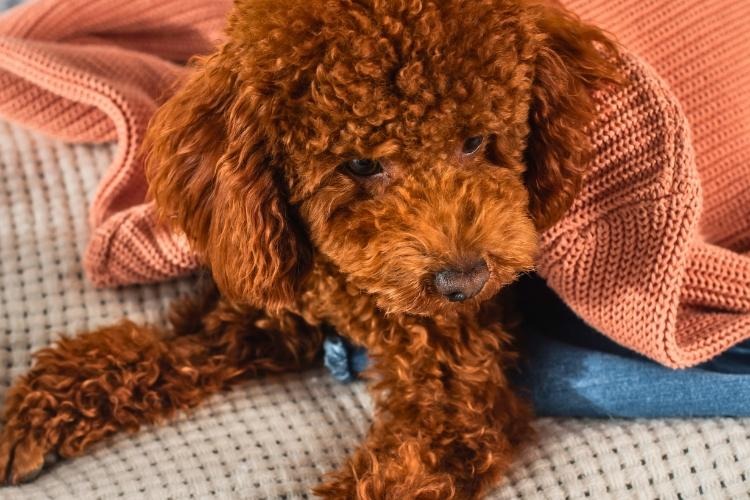
This does not mean you need to bubble-wrap your house. It does mean you need to think twice about letting a two-pound puppy jump off the bed or weave between your feet while you carry laundry. Accidents that are minor for a Labrador can be life-threatening for a dog you could carry in one hand.
The Price Tag Is Not the Price
People shopping for tiny dogs tend to fixate on the sticker price. The sticker price is the beginning of the conversation, not the end. Tiny breeds often need specialty food formulated for their metabolism, dental cleanings far more often than bigger dogs because their teeth crowd together, and harnesses rather than collars because their tracheas are delicate. Vet visits add up fast because toy breeds are prone to luxating patellas, hypoglycemia, and dental disease.
Grooming is another line item people forget. A mini toy poodle that does not get groomed every four to six weeks turns into a matted, uncomfortable mess. Even short-haired tiny breeds need nail trims more often because they do not wear their nails down outside the way larger dogs do.
Where You Get Your Puppy Changes Everything
This is the part most first-time owners wish they had taken seriously. The tiny-dog market is flooded with questionable breeders, flippers, and outright scams. Backyard operations churn out puppies that arrive sick, undersocialized, or carrying genetic problems that will not surface until the dog is a year old and already part of the family. Online puppy scams have become so common that the Better Business Bureau now publishes annual warnings about them.
Vetted marketplaces solve a lot of this by screening the breeders themselves before any puppy is listed. HonestPet verifies its breeders, backs every puppy with a health guarantee, and handles logistics for buyers who do not have a reputable breeder in their area. HonestPet lists Toy Poodle puppies for delivery nationwide across the United States through certified pet transport handlers, so buyers are not stuck choosing between driving across state lines and settling for the closest available seller.
A few green flags to look for regardless of where you shop: the breeder lets you see the parents, provides full veterinary records, has a return policy if the puppy turns out to be sick, and answers follow-up questions weeks after the sale.
Small Dogs Still Need Training
There is a myth floating around that tiny dogs do not need obedience training because they are too small to cause problems. Anyone who has been barked at nonstop for forty-five minutes by a small pup knows this is nonsense. Toy breeds are dogs, and dogs need rules, structure, and socialization regardless of size.
Enroll your tiny dog in puppy classes. Get them used to car rides, new people, other animals, and being handled by strangers. The window for socialization closes around sixteen weeks, and the time you put in during those first few months pays off for the rest of the dog’s life.
They Will Rearrange Your Life in Ways You Did Not Expect
Tiny dogs bond hard. They often pick one person and follow them from room to room like a tiny, furry shadow. This is sweet for about a week and then becomes logistically interesting. Traveling gets complicated. Leaving the house for eight hours a day becomes a question, not an assumption. Separation anxiety is more common in toy breeds than in most larger ones, and it can show up as destructive behavior, house-training regression, or nonstop vocalization.
Think about your lifestyle before you commit. If you travel often, work long hours away from home, or live with people who are not fully on board, a tiny dog will feel that absence more sharply than a mellower, more independent breed would.
The Bottom Line
Tiny dogs are wonderful companions for the right household. They are portable, affectionate, long-lived, and full of personality. They also require careful handling, consistent training, thoughtful sourcing, and a budget that accounts for grooming, dental work, and specialty care. Going in with clear expectations saves heartbreak later, both for you and for the dog.
If you are still sold after reading all of this, you are probably ready. Take your time choosing your breeder, line up a good vet before the puppy comes home, and brace yourself for the sweater collection you did not know you needed.