From Kibble to Frozen: The Dog Food Upgrade Owners Swear By
For years, the pet food aisle looked the same: row after row of dry kibble bags, a few canned options, and not much else. But something has shifted. Dog owners are asking harder questions about what’s actually in their dog’s bowl — and many don’t love the answers they’re finding on the back of a kibble bag. The move toward fresher, more transparent pet food has been building quietly, and now it’s hard to ignore.
Why Owners Are Walking Away from Kibble
Dry kibble has been the default for decades, largely because it’s convenient and shelf-stable. But convenience comes with trade-offs that more owners are starting to weigh carefully.
What’s Actually in Dry Food?
Kibble is typically made through a high-heat process called extrusion, which can degrade the natural nutritional value of proteins and other ingredients. To compensate, synthetic vitamins and minerals are added back in. Many formulas also rely on fillers — starches and by-products — to hold the pieces together.
For dogs with sensitive stomachs, allergies, or chronic skin issues, these ingredients can be a hidden culprit. Common triggers include:
- Corn, wheat, and soy — frequent filler ingredients that some dogs react to
- Rendered meat meals — a catch-all term for processed animal by-products
- Artificial preservatives — added to extend shelf life significantly
The result is a product that’s technically complete but not necessarily optimal.
The Need for Fresher Alternatives
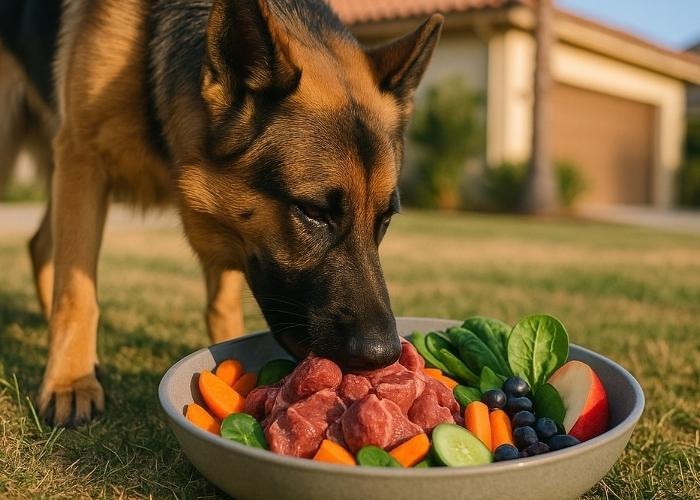
The logic behind fresh and frozen dog food is straightforward: feed dogs ingredients that are closer to whole, recognizable foods — the kind you could identify by sight.
Fresh food diets, particularly those that are gently cooked rather than raw, offer a middle ground. They’re heated enough to eliminate harmful bacteria, but not so aggressively processed that the nutritional profile is stripped bare. Proteins stay intact. Fats retain their value. Ingredients are identifiable.
Benefits Owners Commonly Report
- Improved coat shine and reduced shedding
- Better digestion and more consistent stools
- Increased energy and interest in meals
- Reduced itching in dogs with allergies
These changes aren’t universal, but they’re reported often enough to suggest that food quality has a real impact on day-to-day health.
Enter, Frozen Gently-Cooked Dog Food
One reason fresh feeding hasn’t been mainstream until recently is the perceived inconvenience. If it requires daily prep or refrigerator management, busy owners will default to the kibble bag. That’s where the frozen format genuinely changes the equation.
California Dog Kitchen, a San Diego-based brand, approaches this with a simple cube-based system: human-grade proteins, gently cooked and portioned into frozen cubes that owners can thaw as needed. Their frozen dog food is formulated for all life stages — including large breeds — so one product can work for dogs of very different sizes.
How the Portion System Works
The feeding guide is weight-based and straightforward:
- 1 cube (4oz) per 10lbs of body weight, per day
- A 40-lb dog would eat 4 cubes daily
- Puppies and pregnant or nursing dogs need 2–3x more
- Adjust based on weight changes in the first two weeks
A feeding calculator is also available online for owners who want a more precise starting point.
What Sets Quality Frozen Food Apart
Not all frozen dog food is equal. When evaluating options, a few markers separate genuinely high-quality products from those simply trading on fresh-food branding.
Ingredient Sourcing
The protein source matters. California Dog Kitchen uses wild-hunted venison, wild-caught fish, GAP-certified Organic chicken, and Australian lamb — proteins that are traceable, high-quality, and free from routine antibiotic use.
They’re also one of only two pet food companies accepted into the Good Food Guild, a community of producers committed to transparent sourcing, local ingredients, and no GMOs. That kind of third-party recognition isn’t easy to come by.
Allergy-Friendly Options
For dogs with food sensitivities, variety matters. Look for:
- Grain-free formulas — for dogs reacting to common grains
- Chicken-free options — chicken is one of the more common protein allergens in dogs
- Single-protein recipes — easier to identify the source of a reaction
Sustainability Considerations
The environmental packaging question is worth asking. Some brands are starting to move away from plastic entirely. California Dog Kitchen uses compostable packaging made from kraft paper with a vegetable-based liner — it breaks down within 180 days in an industrial composting environment. That’s a significant difference from standard plastic packaging.
They also donate 1% of all sales to environmental and animal-related nonprofits.
Making the Transition Without the Guesswork
Switching food abruptly tends to cause digestive upset, regardless of how high-quality the new option is. A gradual transition over seven to ten days gives the digestive system time to adjust.
A Simple Transition Plan
- Days 1–3: 75% current food, 25% new food
- Days 4–6: 50/50 split
- Days 7–9: 25% current food, 75% new food
- Day 10+: Full transition to new food
Watch for loose stools or skipped meals during the transition — these usually resolve within a few days. If they persist, slow the transition down rather than reverting entirely.
Storage and Handling Tips
- Keep bags frozen until needed
- Defrost individual cubes in the refrigerator
- Use within five days of defrosting
- Avoid leaving defrosted food out for extended periods
The shift from kibble to fresh or frozen food is less about trends and more about expectations. Dog owners increasingly want the same level of transparency for their pets that they seek for themselves — clear ingredient lists, responsible sourcing, and honest nutrition.
That doesn’t mean kibble is always wrong or that every dog needs an immediate overhaul. But it does mean the frozen section of the pet store has earned a closer look. For dogs dealing with allergies, low energy, dull coats, or digestive issues, fresh food is often the first variable worth changing — and for many owners, it’s the last change they need to make.